At a glance
- First visit
- At least 3 to 4 days
- Highlights only
- 2 days, choosing what to leave out
- To get to know the city
- 6 to 7 days or more, including the Asian side
- How to plan
- One area a day; some museums take half a day on their own
- Closed to visitors
- Topkapı Palace on Tuesdays, Yıldız Palace on Wednesdays, Dolmabahçe and Beylerbeyi on Mondays, Chora (Kariye) on Fridays
- Our tip
- Don't fix the plan to weekdays: arrive, then swap days around the closing days
Why you won't see it all, and shouldn't try
Istanbul is one of the largest cities in the world, spread over two continents. Distances are long, traffic is heavy, and a single museum can easily fill half a day if you want to see it properly. Trying to tick off everything ends in long queues and tired legs.
We plan every day with four simple rules:
One area a day, so you walk more and travel less.
A big museum takes half the day: Topkapı, the Archaeology Museums or Dolmabahçe deserve the time.
Plan a boat trip around its pier, since most cruises return to where they started.
A far-away day stays simple: on days in Fener and Balat, Üsküdar or the islands, add nothing else.
The days below are built around areas rather than checklists. They aren't tied to days of the week: arrival days and times differ, so start wherever suits you, then check the closing days and swap days around.
The days at a glance
The first four days are the core of a first visit. After that, add whichever full days match your interests.
| Day | Area | Highlights |
|---|---|---|
| 1 | Sultanahmet | Hagia Sophia, the Blue Mosque, the Hippodrome, the Basilica Cistern |
| 2 | Topkapı and the bazaar quarter | Topkapı Palace, Gülhane Park, the Spice Bazaar, Rüstem Pasha Mosque |
| 3 | Galata and Karaköy | The Galata Bridge, Galata Tower, Karaköy, Galataport |
| 4 | The Bosphorus | A cruise or ferry, Dolmabahçe Palace, Ortaköy |
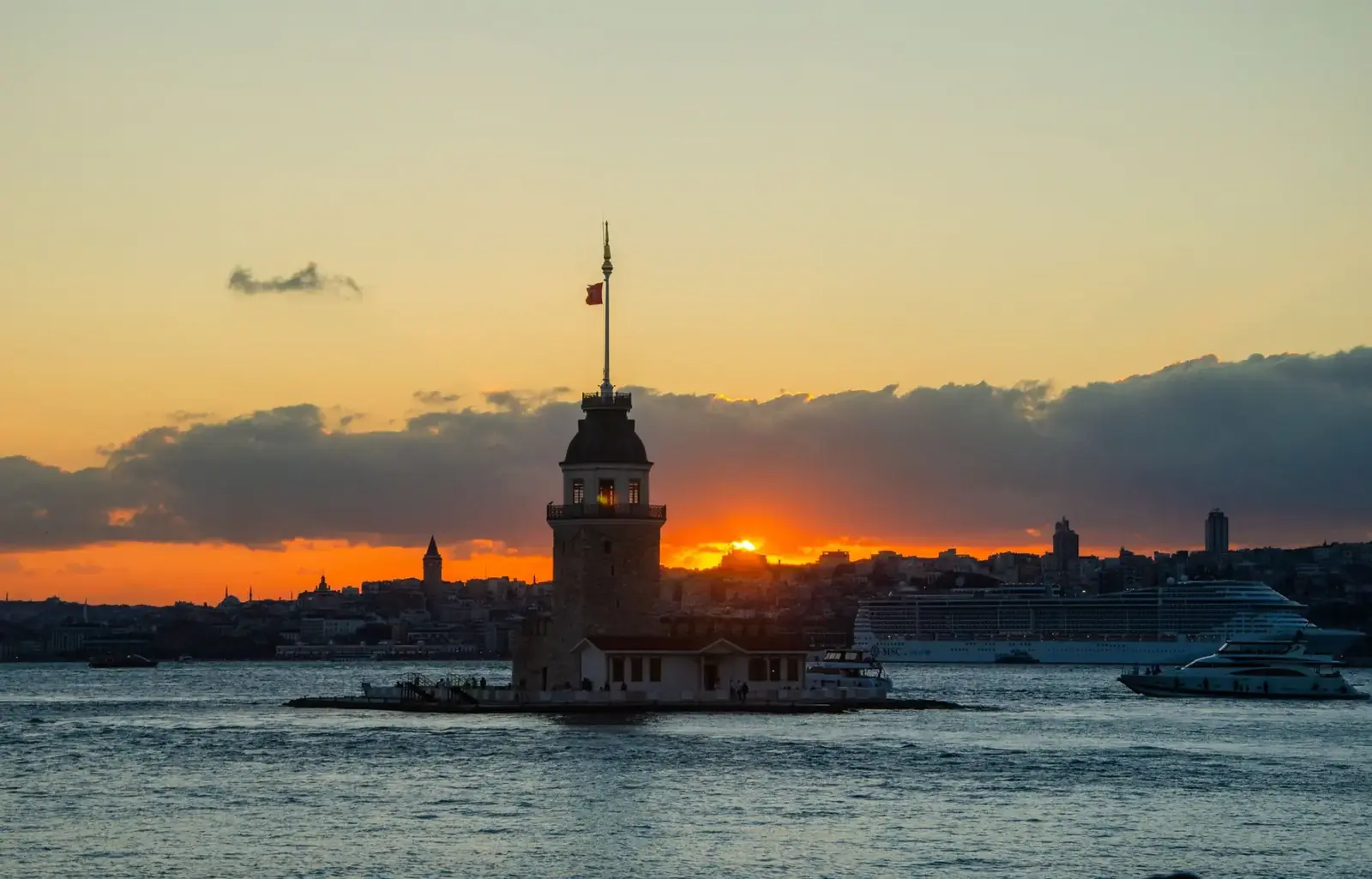
| +1 | Üsküdar | The Maiden's Tower shore, then Kuzguncuk and Beylerbeyi, or Çamlıca |
| +1 | Kadıköy and Moda | The market, Moda's streets, the seafront |
| +1 | Fener and Balat | The land walls, Chora, the Patriarchate, the Iron Church |
| +1 | Beşiktaş, Nişantaşı and Pangaltı | Yıldız Palace and Park, the Naval Museum, Nişantaşı |
| +1 | Büyükada | Mansions by bike, Aya Yorgi hill, fish by the sea |
The first four days
Day 1: the great monuments of Sultanahmet
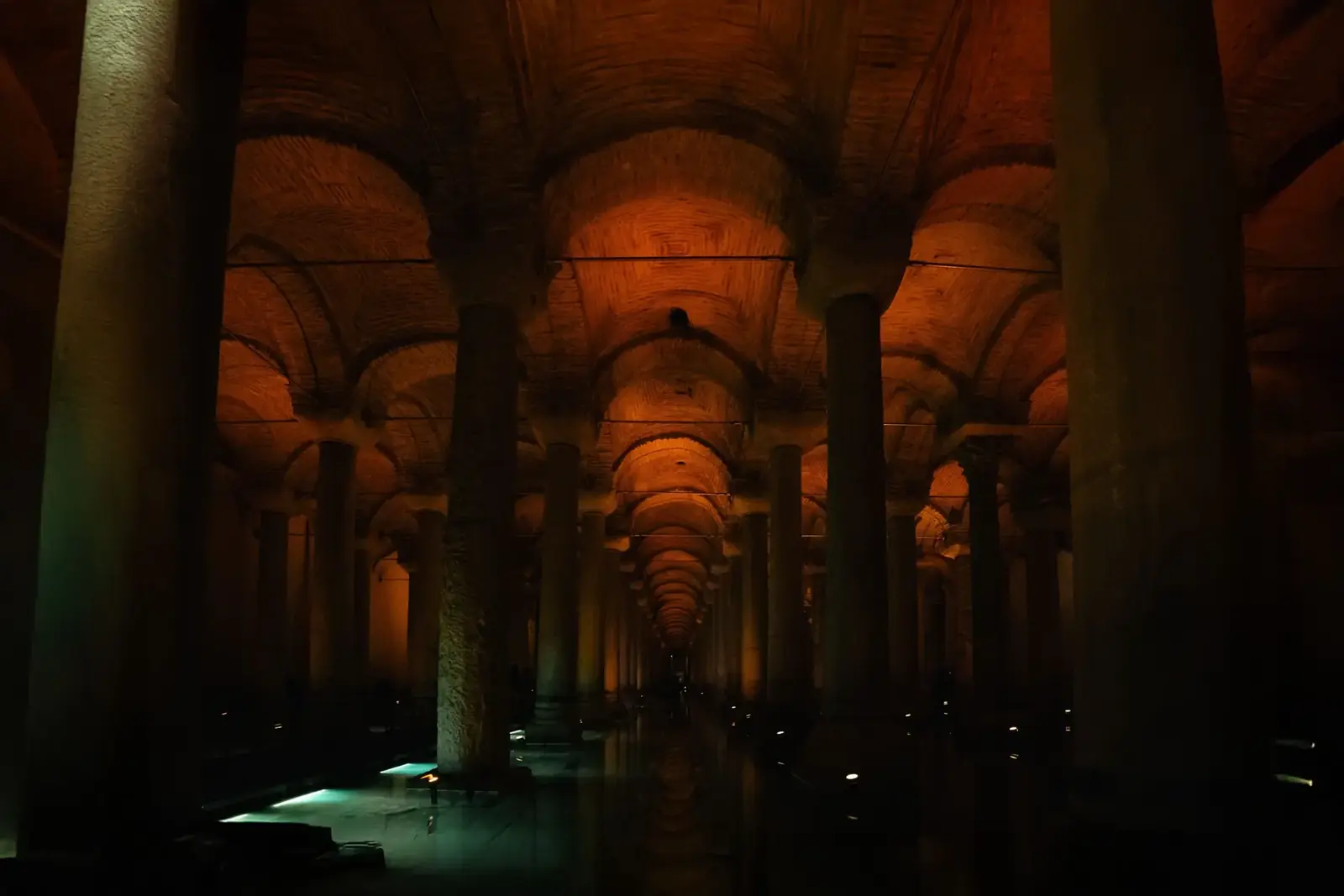
Hagia Sophia, the Blue Mosque, the Hippodrome and the Basilica Cistern stand a few minutes apart, and together they fill a full day once you add queues, security checks and a long lunch. Start early: the queues are shortest at opening. Both mosques pause visits for prayer times, so plan around them (see below), and see our guide Is the Basilica Cistern worth visiting?
With a guide: The Water City
It starts in Sultanahmet and takes around 4 to 5 hours; afterwards, you may wish to add one nearby visit, such as Hagia Sophia.
Day 2: Topkapı Palace and the bazaar quarter
Give Topkapı Palace the morning: with the Harem, it easily takes three hours or more. Then rest in Gülhane Park and walk down to Eminönü for the Spice Bazaar and the tile-covered Rüstem Pasha Mosque. Topkapı is closed on Tuesdays. If you'd rather go deeper into museums, the Archaeology Museums sit right beside the palace and deserve a half day of their own. They are open every day, though some galleries may be temporarily closed.
With a guide: The Trace City
It starts at Sirkeci and covers the bazaar quarter, including the Spice Bazaar and Rüstem Pasha Mosque, in 4 to 5 hours. Keep Topkapı for another day.
Day 3: Galata and Karaköy
Walk across the Galata Bridge from Eminönü and climb to Galata Tower. Queues can be long, so go early or late in the day. Spend the rest of the day in the streets of Galata and Karaköy, then along the Galataport waterfront. If you still have energy, İstiklal Avenue and Pera are a short walk uphill.
With a guide: The Cosmopolitan City
It starts at Galataport and covers most of this day in 4 to 5 hours.
Day 4: the Bosphorus
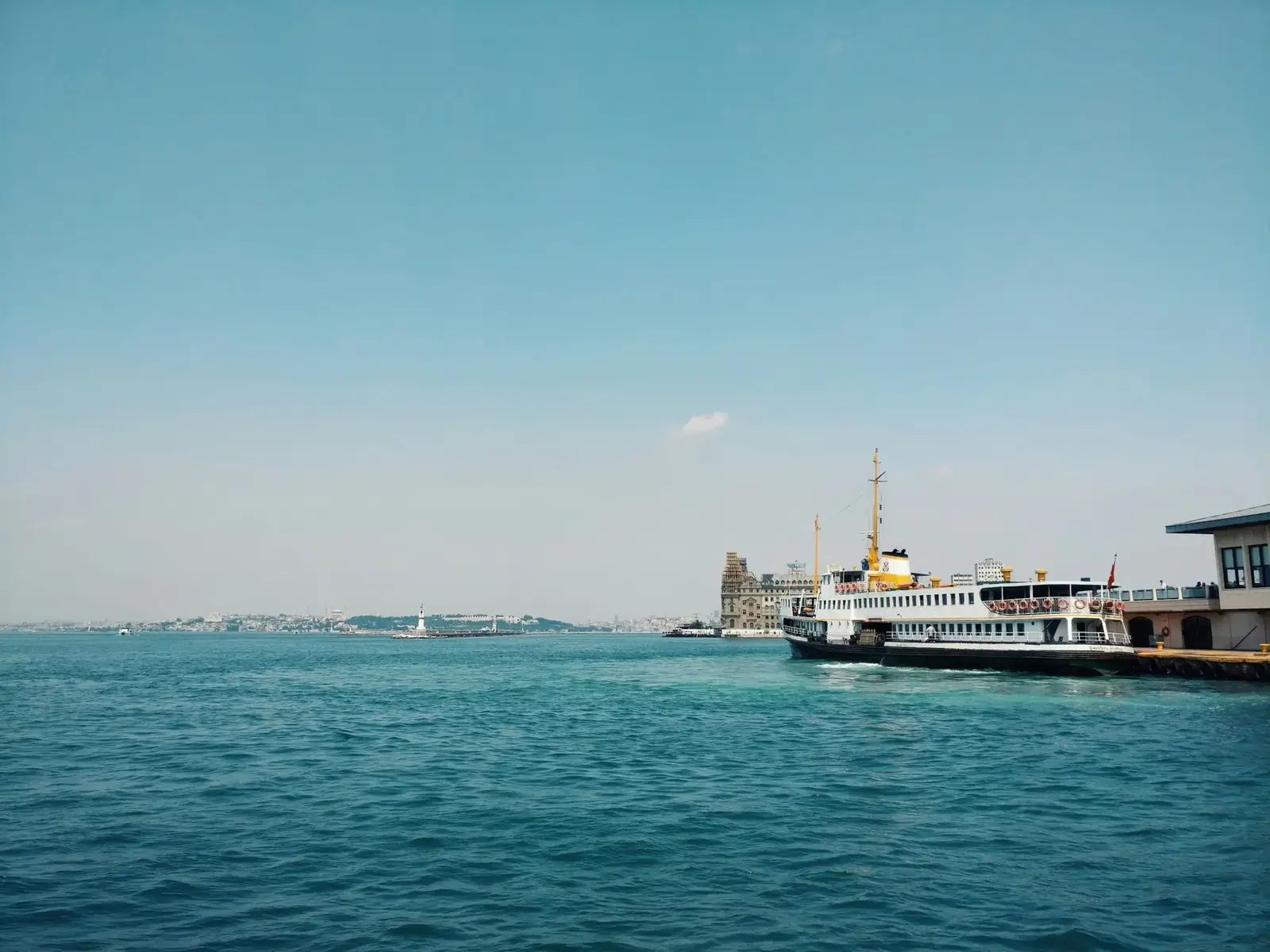
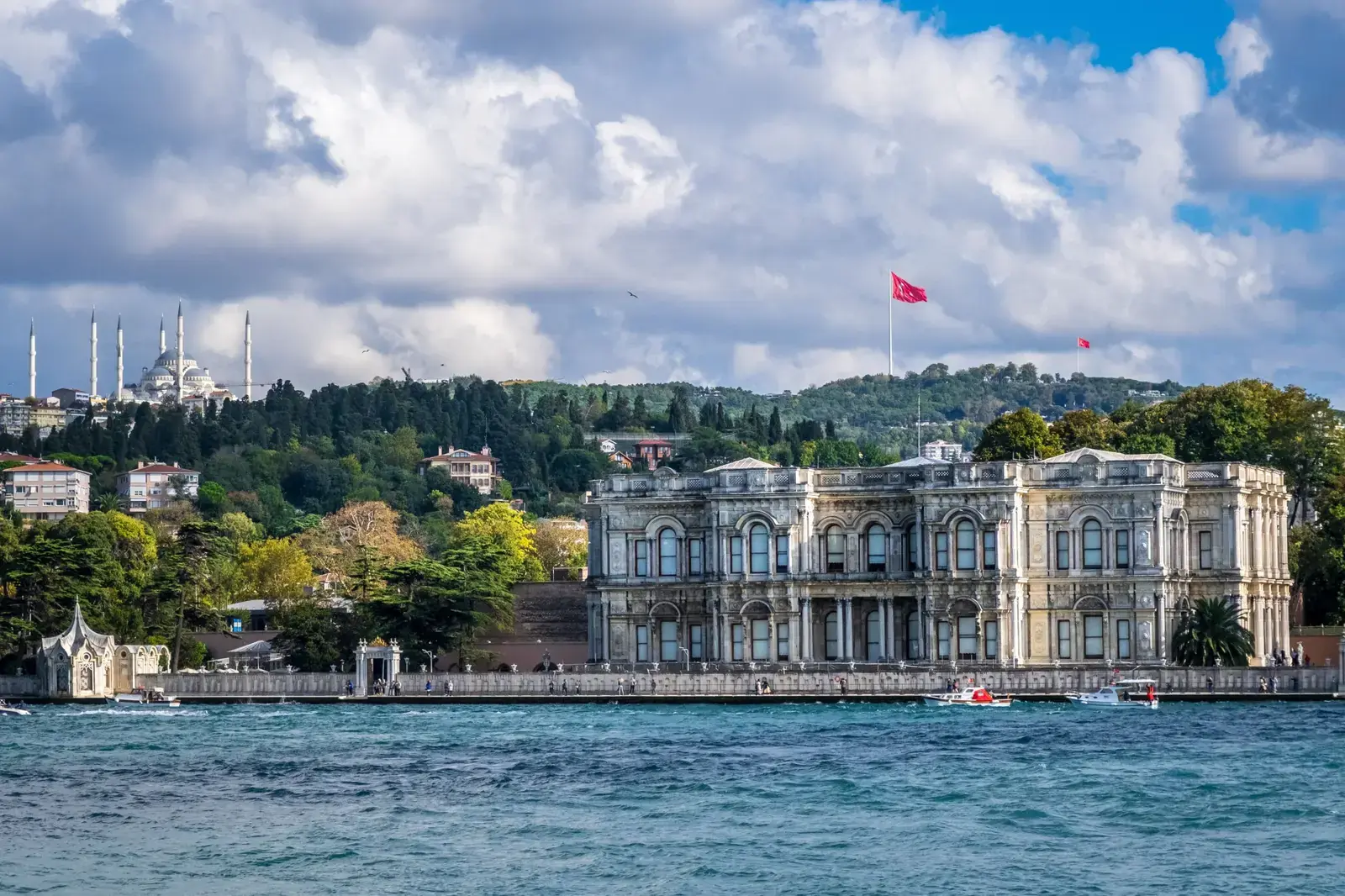
Spend a day on and beside the water. Public Bosphorus cruises and private boats leave from several piers, and most return to where they started, so plan the rest of the day around your pier. A good pairing is the European shore: Dolmabahçe Palace in the morning (closed on Mondays), a cruise from nearby, and the evening in Ortaköy. Our guide to getting around Istanbul explains the ferry options.
With more time: add a full day
Each of these areas fills a day on its own. Pick the ones that match your interests rather than trying to fit them all in. Fener and Balat, Üsküdar and the islands take time to reach, so on those days add nothing else.
Üsküdar, on the Asian shore
Üsküdar is one of the city's oldest and most traditional neighbourhoods, and it covers a wide area, so give it a simple shape. For half a day, keep to the centre: the Yeni Valide and Mihrimah Sultan mosques and the shore facing the Maiden's Tower. For a full day with the hills, start at the top and walk down: Çamlıca or Nakkaştepe in the morning, then Kuzguncuk, Beylerbeyi Palace (closed on Mondays) and the water. Our Üsküdar guide has more.
With a guide: The Tasting City
A private food walk through central Üsküdar on Mondays, taking 4 to 5 hours. Afterwards, keep it light: a walk to Kuzguncuk or a rest by the water.
Kadıköy and Moda
Start at the bull statue in Altıyol and wander through the Kadıköy market streets. Nearby are the Hagia Triada Church, the Barış Manço House (closed on Mondays and public holidays) and, for football fans, the Fenerbahçe stadium and museum tour (closed on Mondays, and on match days and the day before during home-match weeks). In the afternoon, walk to Moda for its own streets, cafés and food stops, and end by the sea at Yoğurtçu Park and the shore. If you like making things, a mosaic lamp workshop is a fun way to spend an hour.
The land walls, Fener and Balat
This area is large and hilly, so it's easiest from the top down. Start at the Theodosian land walls with Chora (Kariye) and the Tekfur Palace Museum (closed on Mondays), then walk downhill into Fener and Balat. Our picks along the way: the Ecumenical Patriarchate, the Bulgarian Church of St Stephen (the Iron Church), the red-brick Fener Greek School seen from its street, and the colourful houses of Kiremit Caddesi. Chora is closed to visitors on Fridays. The Patriarchate is generally open to visitors from about 08:30 to 16:00, but visits may be limited during the Sunday morning liturgy and on religious holidays, so check before you go.
Beşiktaş, Nişantaşı and Pangaltı
If Dolmabahçe already had its day, come back for the rest of Beşiktaş: the Naval Museum by the pier (closed on Mondays), then Yıldız Palace (closed on Wednesdays) in its hillside park. In the afternoon, head up to Nişantaşı and along to Osmanbey and Pangaltı for shopping streets, cafés and fine late-Ottoman apartment buildings.
Büyükada, the largest of the Princes' Islands
Of the Princes' Islands, we'd choose Büyükada. Private cars are kept off the island. Explore it on foot or by bicycle, checking the current rental arrangements before you arrive; electric public transport is another option for longer distances. On the way, see its historic mansions, including the Con Paşa and Mizzi mansions. You can pass the ruined house where Trotsky lived and the house where the novelist Reşat Nuri Güntekin lived with his family; both are seen from outside only, and climb to the Hamidiye Mosque and up Aya Yorgi hill. If you'd rather not climb, the Church of St Pacificus is an easier stop. Finish with fish at one of the seafront restaurants, and in summer, a swim. The ferry takes about 1¼ to 1¾ hours each way, depending on the pier, so allow the whole day.
If you only have two or three days
Two days: spend the first in Sultanahmet, as on Day 1. On the second, choose either Topkapı and the bazaar quarter or Galata and Karaköy, not both. End the day on a public ferry across the Bosphorus to Üsküdar or Kadıköy at sunset: it's the city's simplest cruise.
Three days: follow Days 1 to 3, and take that sunset ferry on one of the evenings.
Closing days and prayer times
These are the closures most likely to change a plan. Check official sites before you go, as hours can change at short notice.
Palaces: Topkapı is closed on Tuesdays, Yıldız on Wednesdays, and Dolmabahçe Palace, Beylerbeyi Palace and the smaller palace pavilions, such as Küçüksu and Ihlamur, on Mondays. In winter, ticket desks close at 17:00.
Hagia Sophia: visitors follow a route through the upper galleries, with a ticket for foreign visitors. Visits pause around Friday midday prayers.
The Blue Mosque and other mosques: entry is free, but visits pause during the five daily prayers and for longer at Friday midday. Dress modestly; women cover their hair.
Chora (Kariye): open to visitors from 09:00 to 18:00 except on Fridays, when it is open for worship only. Entry stops shortly before each prayer time.
Museums: the Naval Museum, the Tekfur Palace Museum and the Barış Manço House close on Mondays; the Archaeology Museums are open daily, but some galleries may be temporarily closed.
The Ecumenical Patriarchate: generally open from about 08:30 to 16:00; visits may be limited during the Sunday morning liturgy.
Religious holidays: on the first day of Ramadan Bayram and Kurban Bayram, many palaces and museums close or open later.
Where we check: National Palaces (Topkapı, Dolmabahçe, Beylerbeyi, Yıldız) · Ministry of Culture museums (Archaeology Museums, Galata Tower) · General Directorate of Foundations (Chora) · Fenerbahçe (stadium tours). Last checked: 21 November 2026.
Does the season change how many days you need?
Not much, but it changes how you use them. Spring and autumn are the most comfortable months for walking, and summer days are long. In winter, days are shorter and ticket desks close earlier, so plan fewer visits a day and keep a museum or a hammam for rainy afternoons.
Questions about how long to stay
Is three days enough for Istanbul?
Three days give you a good first look: Sultanahmet, Topkapı and the bazaar quarter, and Galata, with a ferry across the Bosphorus one evening. A fourth day adds a proper Bosphorus day.
Is two days enough?
Two days cover the main monuments if you start early, but you'll have to choose between Topkapı and Galata and leave out the Asian side, apart from a short ferry ride.
Can I see the Sultanahmet sights and Topkapı in one day?
You can walk past them all, but visiting them properly takes two days. Topkapı alone takes three hours or more with the Harem.
Is the Asian side worth a day?
Yes. Üsküdar and Kadıköy each fill a day and show you everyday Istanbul, and the ferry across is one of the best parts of the trip.
Which island should I visit?
Büyükada, the largest. Allow a full day, rent a bike and see the mansions, and avoid summer weekends if you can.
Where should I stay for a short visit?
Close to the old city or just across the Golden Horn, so the first days need little transport. See our guide to where to stay in Istanbul.
Prices and opening hours may change. We verify practical details against official sources and show the date of our latest review at the top of each guide.