
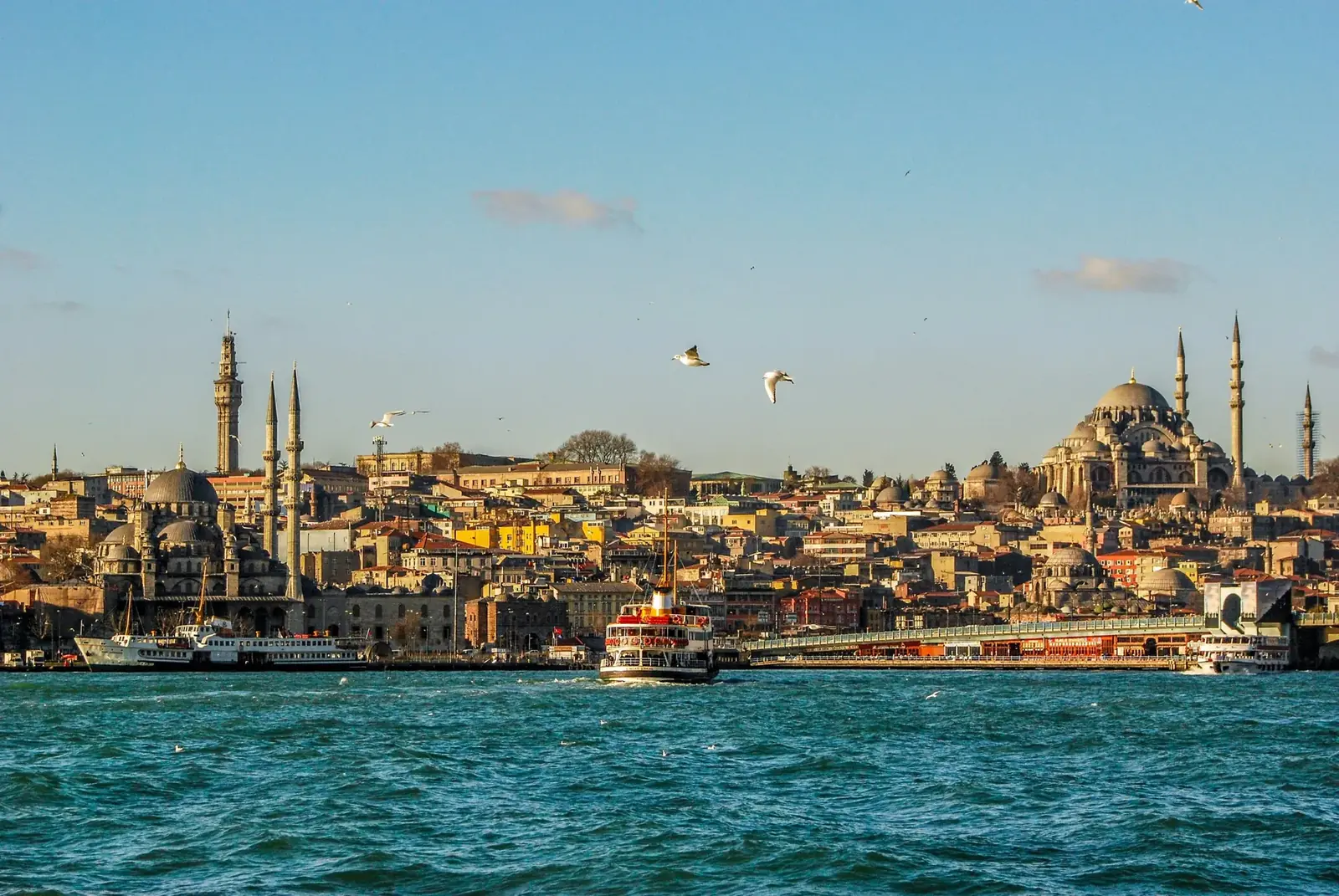
The experience
Most people cross Eminönü on their way somewhere else. This walk stops to read how the capital of an empire actually worked.
Between the Golden Horn and the hill of Cağaloğlu, a few streets held the empire's everyday machinery: its post and its banks, its markets and its baths, its schools, its tombs and the gate of the Grand Vizier's government.
We follow those traces in one loop, from the station where travellers arrived to the Sublime Porte and back.
Discovering the city through traces
The Trace City at a glance
- 9
- stops
- 1
- loop from Sirkeci and back
- 4
- centuries on the route
- 3
- traces of grand viziers
Highlights of the walk
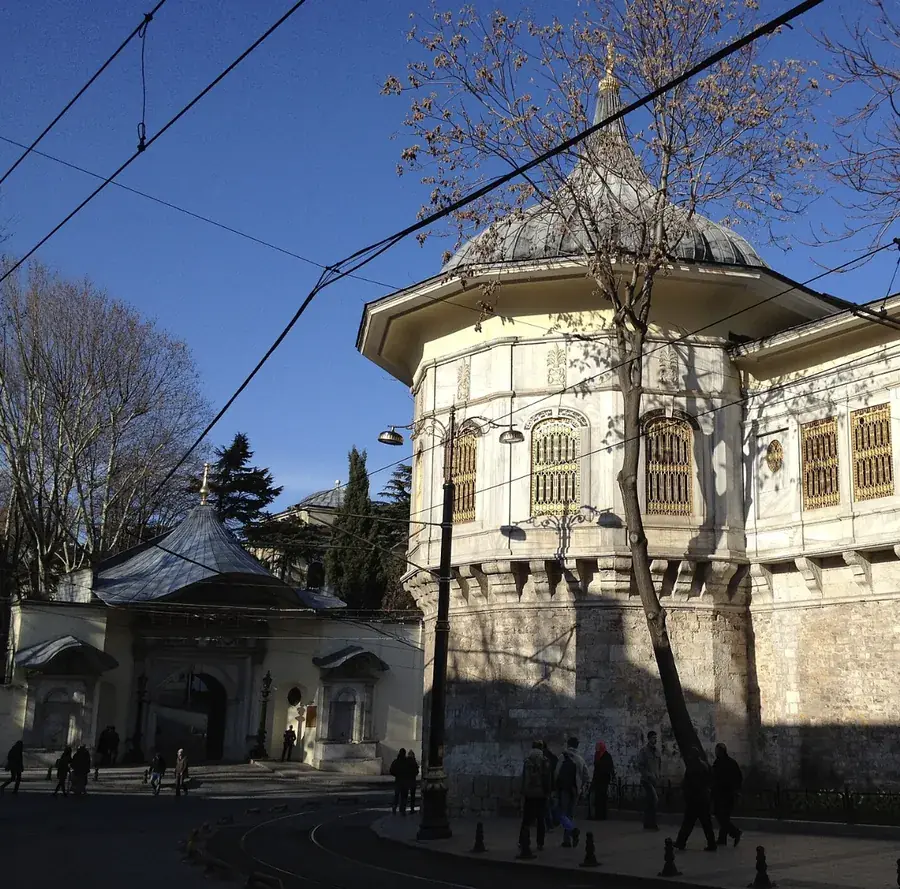
See the sultan's pavilion of the New Mosque. The Hünkâr Kasrı, built so the sultan could reach his prayer loge by a raised ramp; we go inside when it is open.
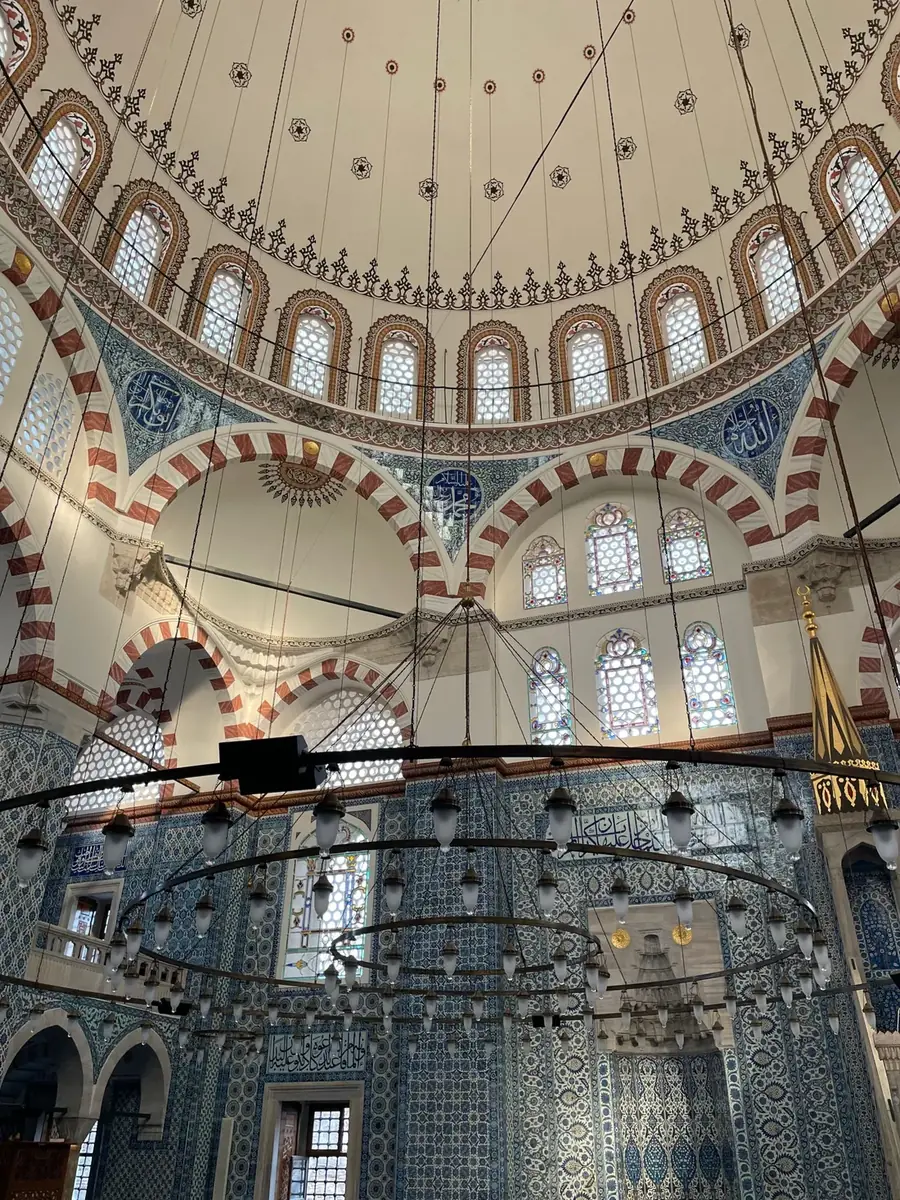
Step into Sinan's tiled mosque above the market. Rüstem Paşa, raised over the shops of Tahtakale.
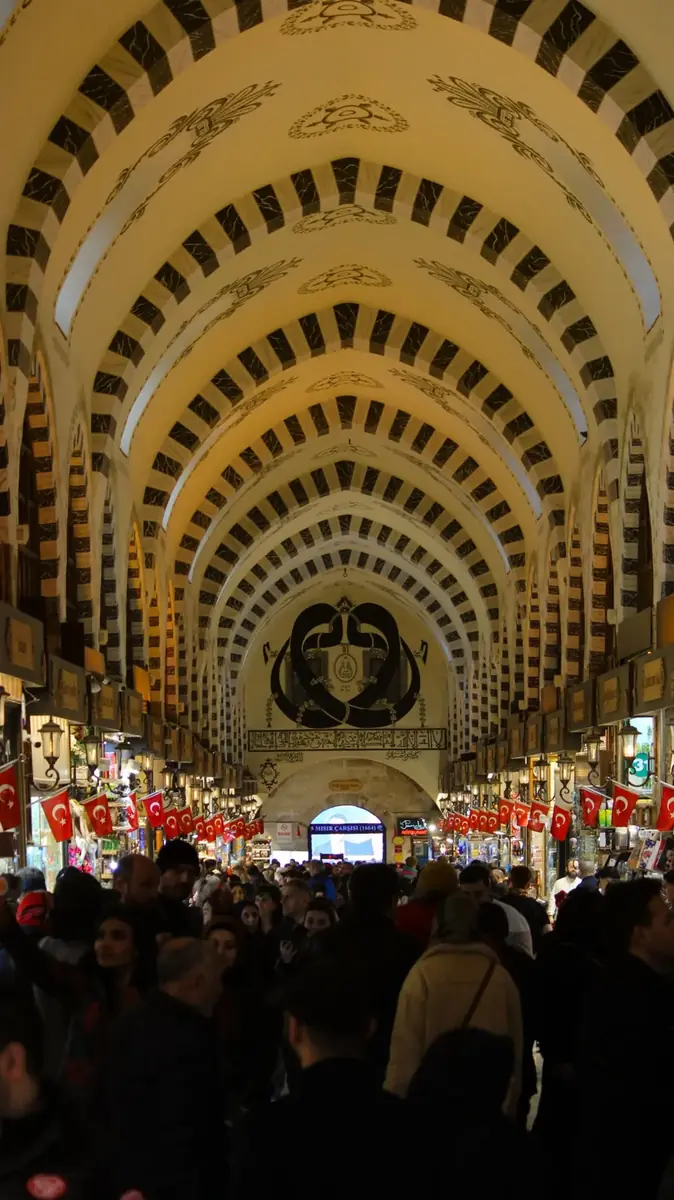
Read the Spice Bazaar as part of a royal foundation. Its rents were meant to support the New Mosque complex.
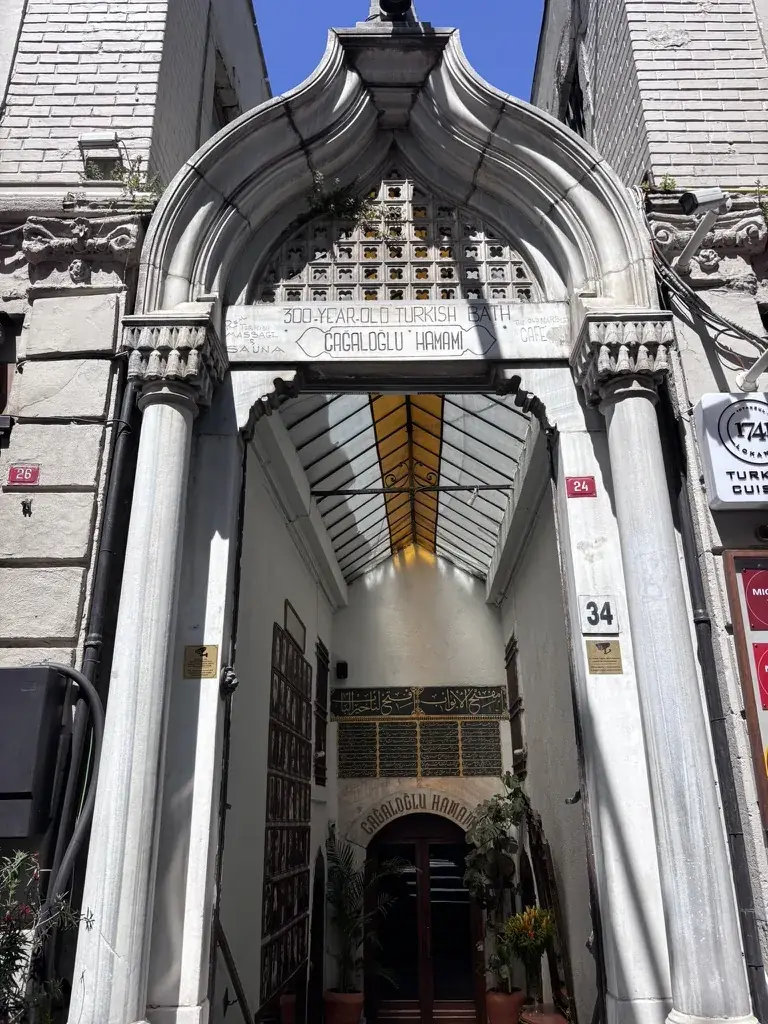
Enter the Cağaloğlu Hamamı. The entrance hall and cooling room of an 18th-century imperial bath.
Stand at the Sublime Porte. The gate of the Grand Vizier's government, across from the Alay Köşkü.
The route
Nine stops. One imperial quarter.
A loop from Sirkeci down to the Eminönü waterfront, up through Cağaloğlu to the Sublime Porte, and back. We meet at 10:00 at the Sirkeci Marmaray exit, in front of Kurukahveci Mehmet Efendi.
-
01
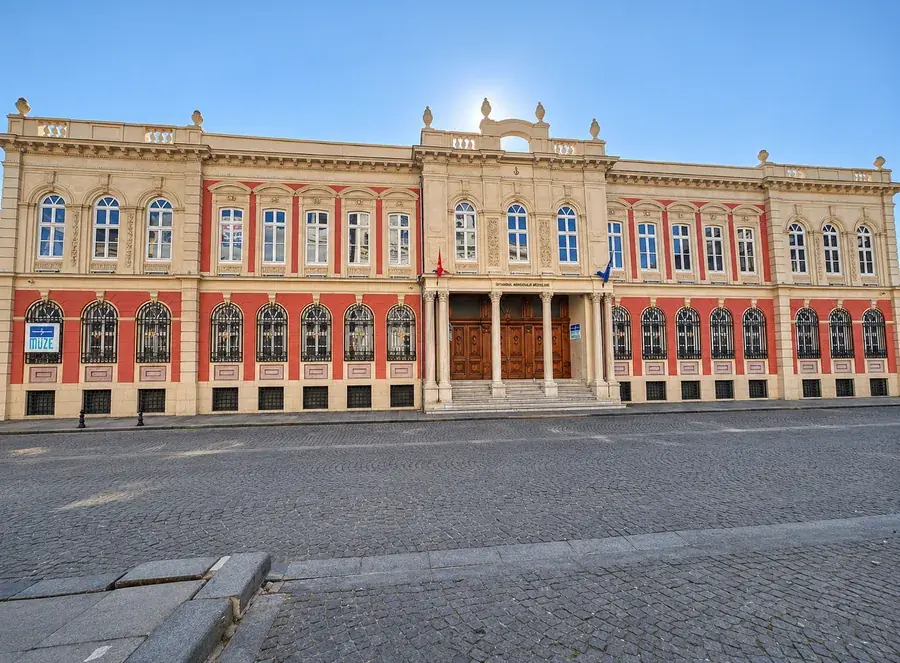
Late Ottoman · 1892 · inside when open
Türkiye İş Bankası Museum
Built as a post office in 1892 and a bank branch from 1928, today a museum of the Republic's economic history. Free to enter when open.
-
02
Ottoman · 17th century · inside when open
Hünkâr Kasrı · the Sultan's Pavilion
The royal suite of the New Mosque, with İznik tiles and a raised ramp that led the sultan straight to his loge. Free to enter when open.
-
03
Ottoman · 1560s · Mimar Sinan · inside
Rüstem Paşa Mosque
Sinan's mosque for Süleyman's Grand Vizier, lifted above a row of shops and lined with some of the finest İznik tiles in the city.
-
04
Ottoman · 1660s · inside
Spice Bazaar · Mısır Çarşısı
The covered market of the New Mosque complex, whose shop rents helped fund the foundation. Open on Sundays.
-
05
Ottoman · 1741 · entrance & cooling room
Cağaloğlu Hamamı
A bath built under Mahmud I. We step into the entrance hall and cooling room open to visitors; bathing is not included.
-
06
Ottoman · 1590s · Davud Ağa · inside
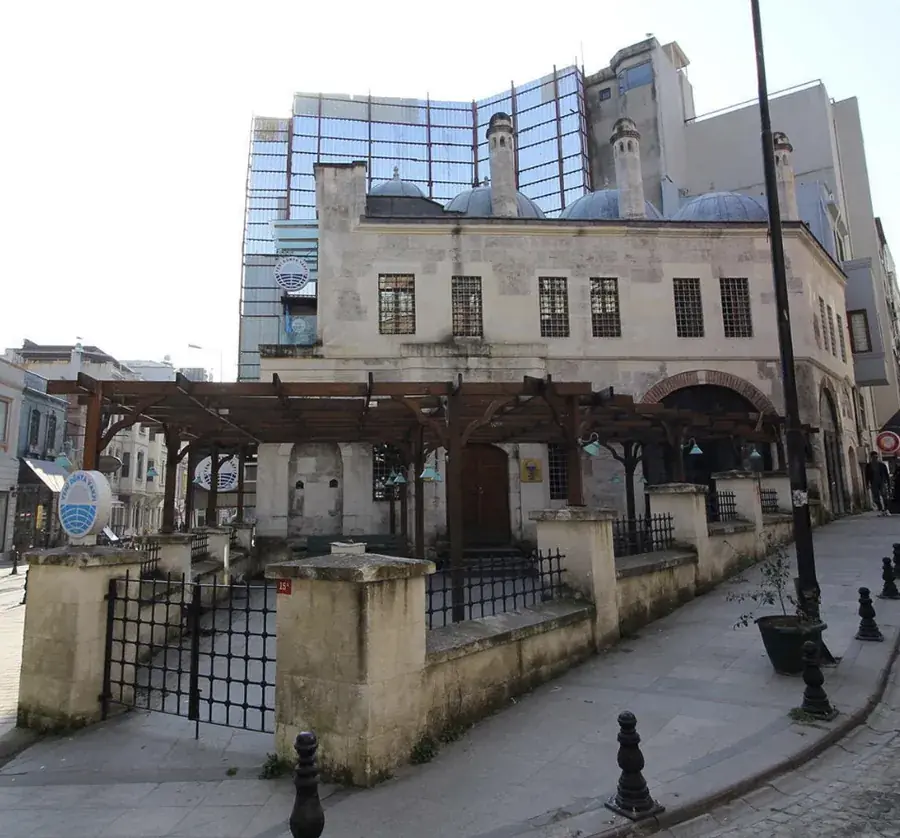
Hadım Hasan Paşa Madrasa
A small madrasa built for a Grand Vizier of Mehmed III, damaged in the 1865 Hocapaşa fire and later restored.
-
07
Tanzimat · 1840 · inside
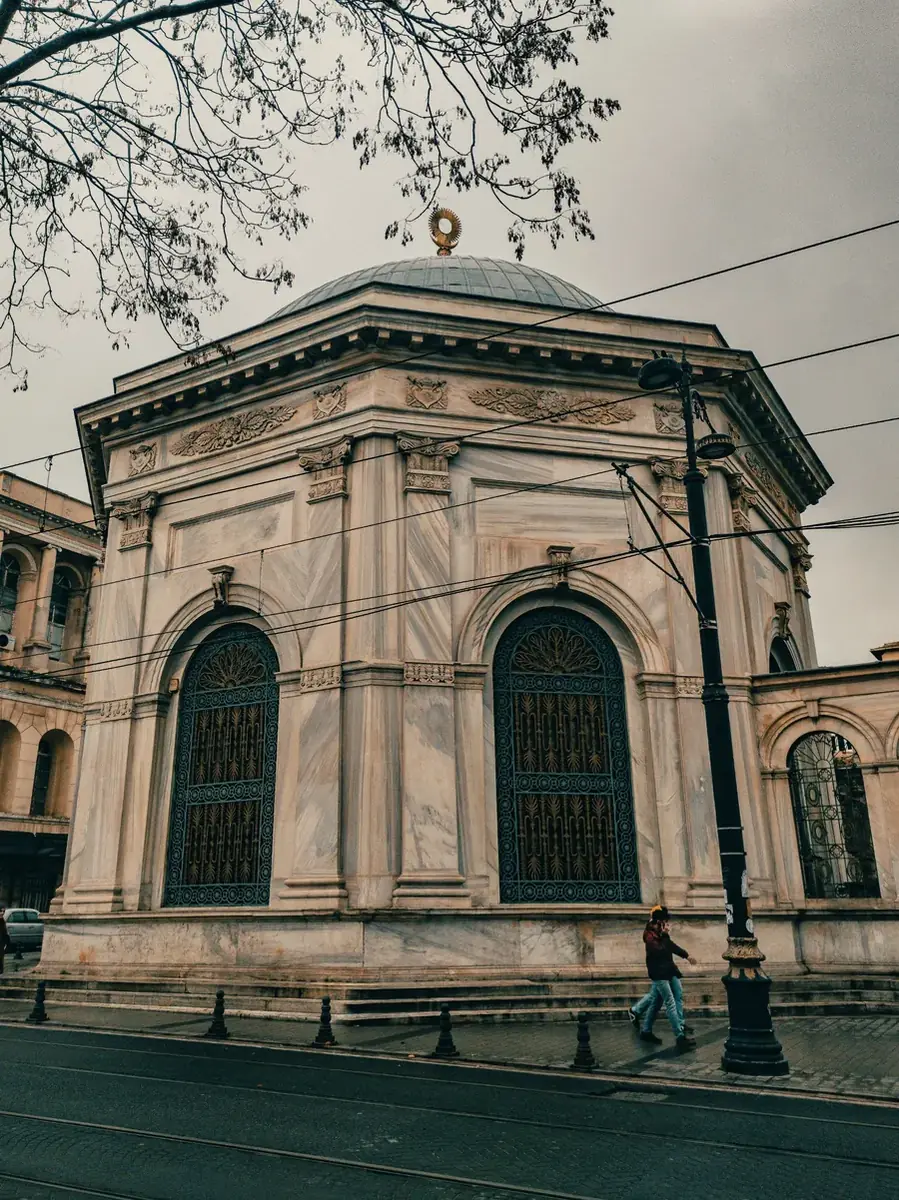
Tomb of Mahmud II
The Empire-style tomb Abdülmecid built for his reforming father on Divanyolu, with a graveyard of late Ottoman statesmen and writers.
-
08
Ottoman · 19th century · from the outside
Alay Köşkü & the Sublime Porte
The pavilion on the palace wall where sultans watched processions, facing the gate of the Grand Vizier's offices that gave the Ottoman government its name abroad.
-
09
Jewish · 1920s · from the outside · finish
Bet Avraam Synagogue
A synagogue behind Sirkeci station, the closest to the old city. We stop outside, then end the walk back at Sirkeci.
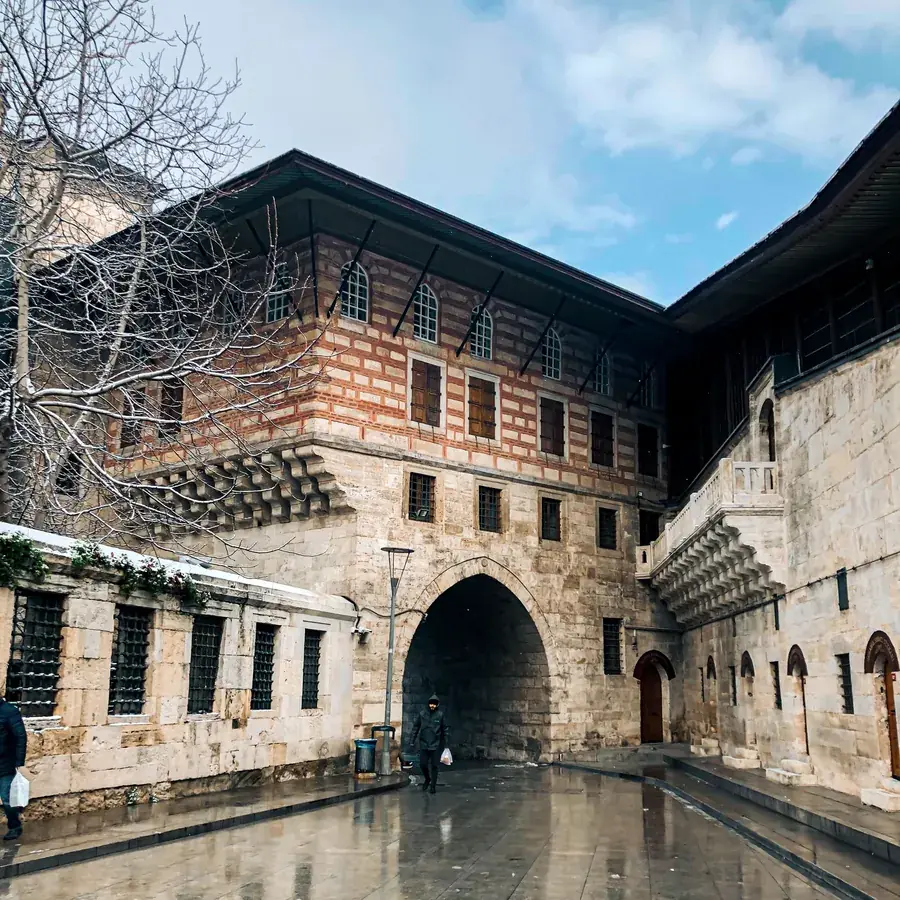
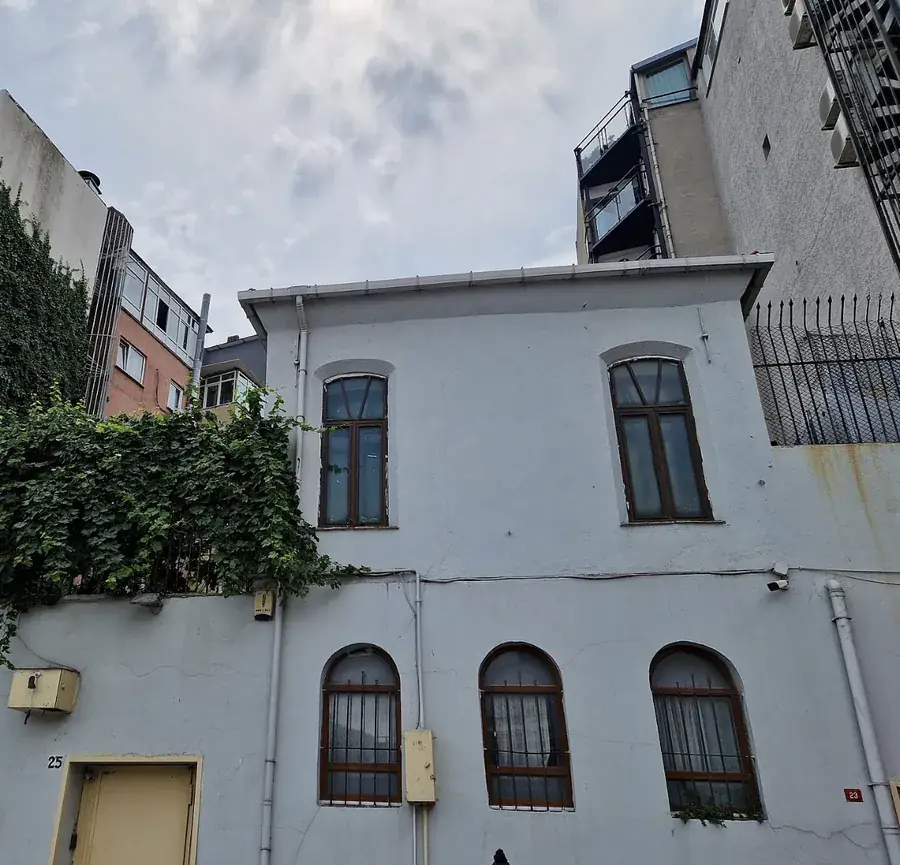
The sequence may shift when access changes, but the story of the quarter remains intact. Mosques and the tomb close briefly at prayer times, and the İş Bankası Museum and the Hünkâr Kasrı keep their own hours and may close for exhibitions or events; when a site is closed, we read it from outside.
After the walk
We finish back in Sirkeci, beside the station where the Orient Express once ended its run. From here the Marmaray, the tram and the Eminönü ferries are a few minutes away. I'll share a few suggestions for the rest of your day in the old city.
Context
The working city behind the skyline
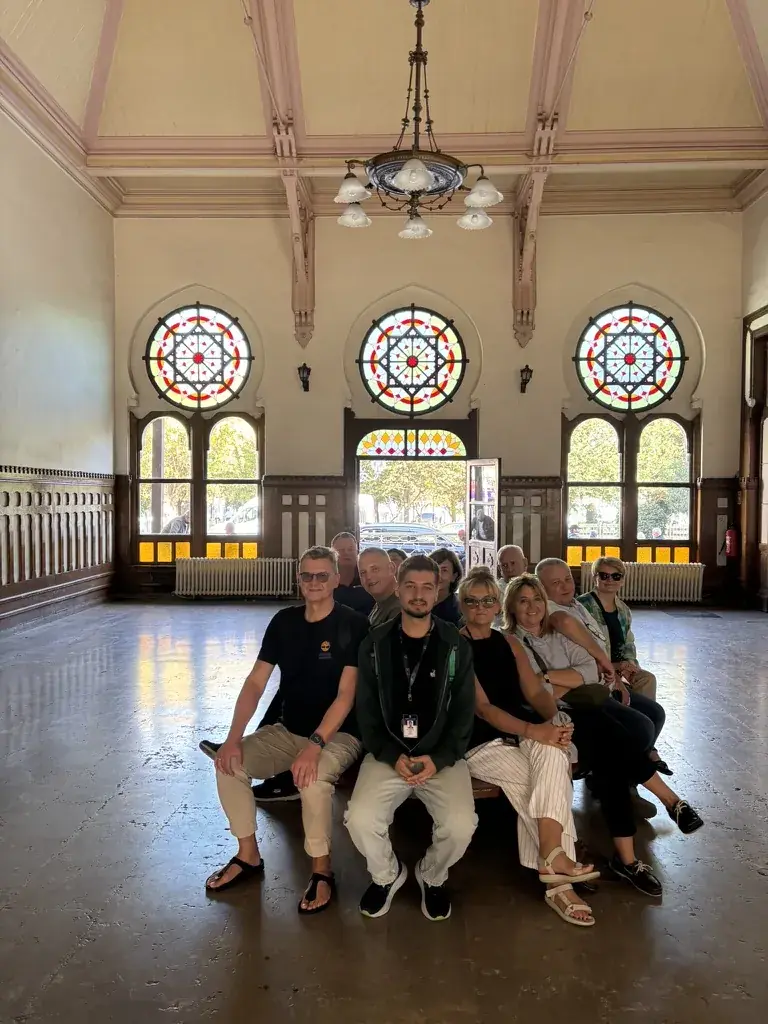
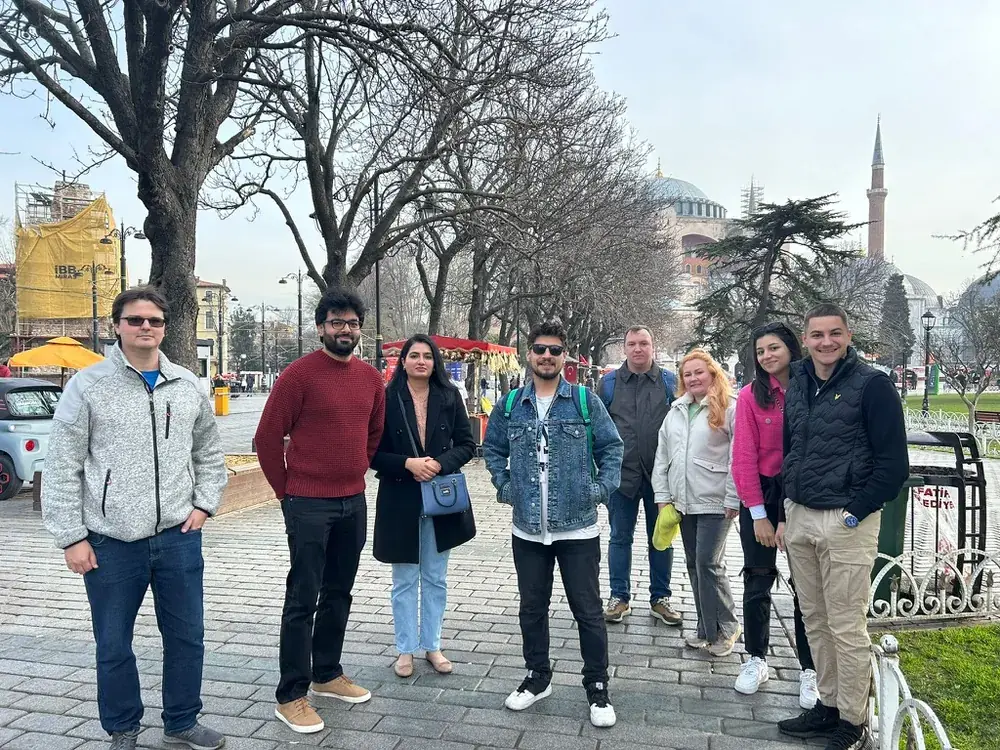
The domes of Istanbul are what you see from the water. The walk reads the streets behind them through four threads.
- Trade & Exchange
- From the Spice Bazaar's shops to a post office turned bank, Eminönü was where the city bought, sold and sent word.
- Faith & Patronage
- A vizier's mosque, a sultan's pavilion and a synagogue near the station, each paid for and used by a different part of the city.
- Learning & Reform
- A 16th-century madrasa and the tomb of Mahmud II, the sultan whose reforms opened the way to the Tanzimat.
- State & Ceremony
- The Alay Köşkü and the Sublime Porte, where the palace watched the city and the government spoke for the empire.
Practical details
Know before you go
- Duration
- Approximately 4–5 hours
- Walking
- About 3.9–4.2 km (2.5 miles), with a climb from Eminönü up to Cağaloğlu
- Group size & language
- Maximum 12 guests · English
- Meeting point
- Sirkeci Marmaray station exit, in front of Kurukahveci Mehmet Efendi
Sirkeci, Fatih · Open in Google Maps - End point
- Back at Sirkeci Marmaray station
- Schedule
- Sundays, starting at 10:00 · see open dates
- Accessibility
- Not wheelchair accessible, because of stairs, slopes and historic surfaces
- What to wear
- Comfortable shoes; shoulders and knees covered, and a scarf for women in the mosque and the tomb
- Tickets & cancellation
- No paid admission is required for the planned route · free cancellation up to 24 hours before the start (local time)
Included
- Guiding by a professional licensed guide
- A research-led guided walk along the route above
- Visits inside the sites on the route that are open on the day
- Suggestions for the rest of your day in the old city
- Small group, maximum 12 guests
Not included
- Hammam bathing or services
- Food and drinks
- Transportation
- Personal expenses
- Optional gratuities
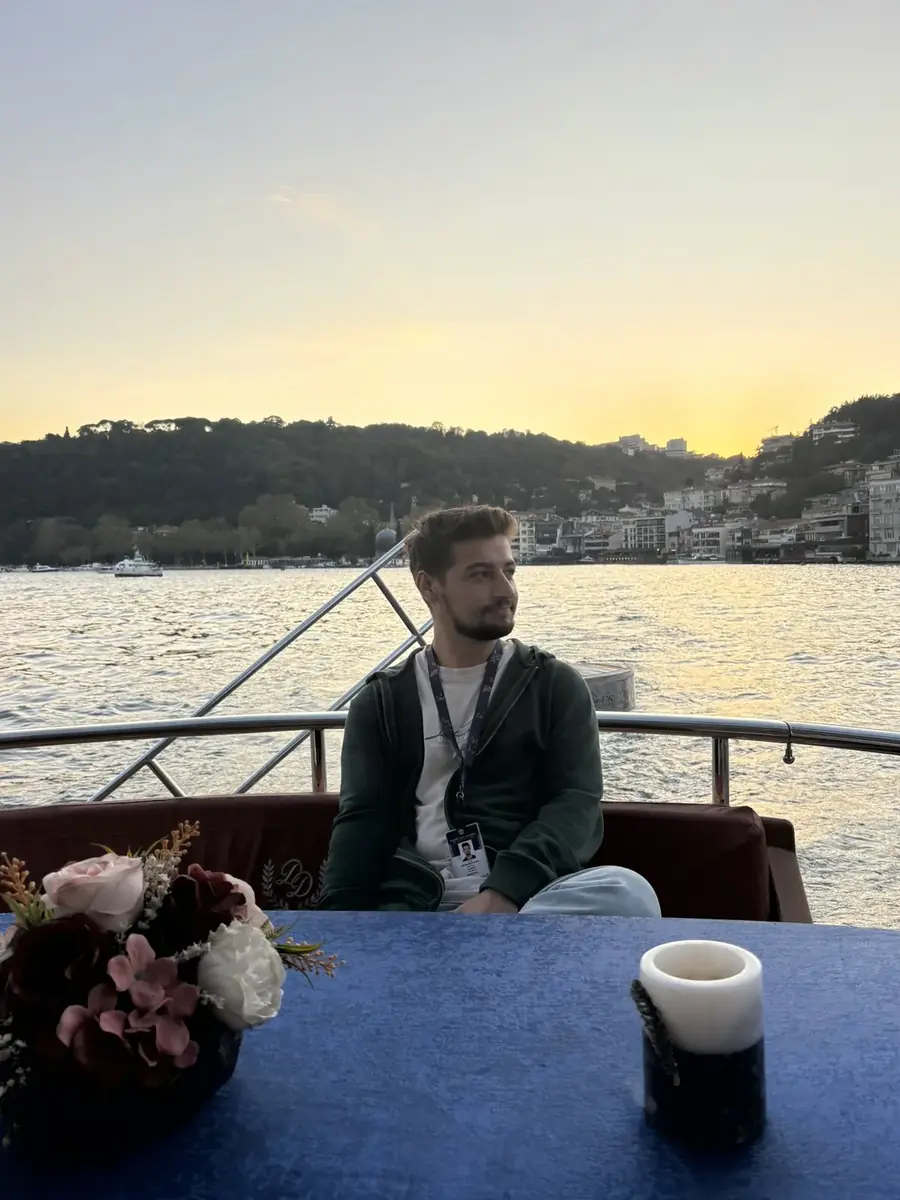
Founder & lead guide
Uğur M. Ulakci
Professional Tourist Guide
Uğur is a professional licensed guide and the founder of Via Vestigia. His work explores cities through the traces they leave behind — water, architecture, trade, faith, food and everyday life. He researches and writes for the Via Vestigia Journal and hosts the Via Vestigia podcast.
Eminönü is where most visitors change trams or ferries. I wanted to slow down there and ask how these few streets kept an empire running: where it traded, prayed, studied and governed.
“…a unique and fascinating way of looking at a city with so many layers of history and culture. Uğur is a font of knowledge about all sorts of topics and was able to answer my questions off the cuff…”
“Ugur is passionate and knowledgeable and we felt very well taken care of… We wouldn’t hesitate to book with Ugur again…”
“A wealth of knowledge delivered in a very personal manner.”
Reviews of The Trace City will appear here as guests share them.
Do we bathe at the Cağaloğlu Hamamı?
No. We step into the entrance hall and the cooling room, the parts open to visitors, and talk about how an Ottoman bath worked. Bathing and hammam services are not included.
Which places do we go inside?
We plan to go inside the Rüstem Paşa Mosque, the Spice Bazaar, the Cağaloğlu Hamamı's entrance and cooling room, the Hadım Hasan Paşa Madrasa and the Tomb of Mahmud II. The Türkiye İş Bankası Museum and the Hünkâr Kasrı we enter when they are open on the day. The Alay Köşkü, the Sublime Porte and the Bet Avraam Synagogue we read from the street.
Are there any entry fees on the route?
No paid admission is required for the planned route.
Do we go inside the synagogue?
Not at the moment. We stop outside the Bet Avraam Synagogue at the end of the walk; visits inside are arranged with the community separately.
Is the Grand Bazaar on the route?
No. The walk runs on Sundays, when the Grand Bazaar is closed. The Spice Bazaar, which is open on Sundays, is our market stop.
What should I wear inside the mosque and the tomb?
Shoulders and knees covered. Women are asked to cover their hair in the mosque and the tomb, so bring a scarf. Comfortable shoes help on the slopes.
Where does the walk start and finish?
We meet at 10:00 at the Sirkeci Marmaray station exit, in front of Kurukahveci Mehmet Efendi, and finish back at Sirkeci, so the Marmaray, the tram and the Eminönü ferries are close by at the end.
How much walking is involved, and are there hills?
About 3.9–4.2 km (2.5 miles) over 4–5 hours. The route climbs from the Eminönü waterfront up to Cağaloğlu and comes back down to Sirkeci.
Is it suitable for children?
Children who are comfortable with a few hours on foot usually enjoy it. For younger children, message me on WhatsApp before booking.
Is it wheelchair accessible?
No. Several stops have steps, and many streets are steep with historic, uneven surfaces.
What happens if a site is closed?
Mosques and tombs close briefly at prayer times, and the İş Bankası Museum and the Hünkâr Kasrı may close for exhibitions, events or maintenance. The sequence then shifts, or we read the site from outside and give more time to the next stop.
Can I book a private walk?
Yes. A private walk is the same core story, shaped around your group's pace and interests: $149 for one guest or $298 for two. For larger groups, the price for your group size is shown when you book.
How do I book and pay?
Choose “Check dates & book” to see open dates and pay securely through Viator. Questions before booking are welcome on WhatsApp.
How does it fit with the other walks?
The Water City follows the old city's cisterns and hammams; The Cosmopolitan City crosses to Galata. The Trace City reads the working quarter in between, around Eminönü and Cağaloğlu, so the three walks complement each other.
Private walk
The Trace City, shaped around you.
The same core story, exclusively for your own group.
$298for two guests
A dedicated guide, more room for questions, and more flexibility in pace, focus and depth. $149 for one guest; for larger groups, the price for your group size is shown when you book.
Check private availabilityThe Trace City
Read the quarter where the empire traded, prayed and governed.
- Sundays · 10:00
- 4–5 hours
- Maximum 12 guests
From
$99per person
Check dates & bookNo date that works? Ask about a private walk on another day
Secure booking and payment via Viator · Free cancellation up to 24 hours before the start.