
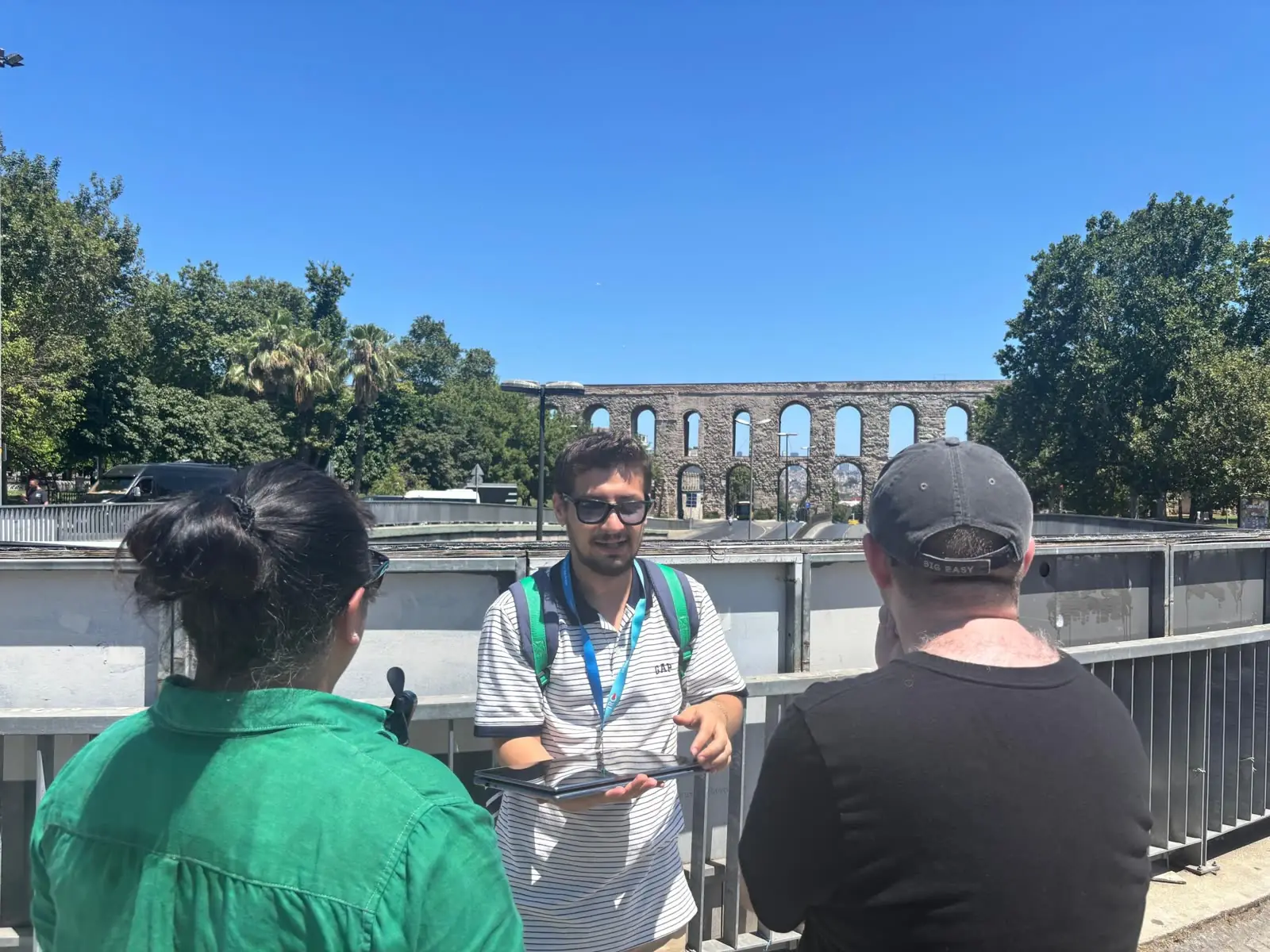
The experience
Most of Istanbul is explored monument by monument. This walk follows the water.
Rather than treating each monument on its own, we follow what connected them for sixteen centuries: reservoirs, aqueducts, hammams, fountains and the everyday life that grew around them.
By the end, the old city reads as one system — built, supplied and sustained by water.
Discovering the city through traces
The Water City at a glance
- 9
- stops
- 2
- historic cisterns
- 1
- Roman aqueduct
- 3
- Ottoman hammams
- 16
- centuries of water history
Highlights of the walk
Step underground into a quieter cistern. The engineering behind Istanbul's vast water storage, at a scale you can take in.
Follow the water line across the old city. From Sultanahmet to the arches of the Valens Aqueduct, on foot.
See how hammams turned infrastructure into ritual. Water, heat, architecture and neighbourhood life.
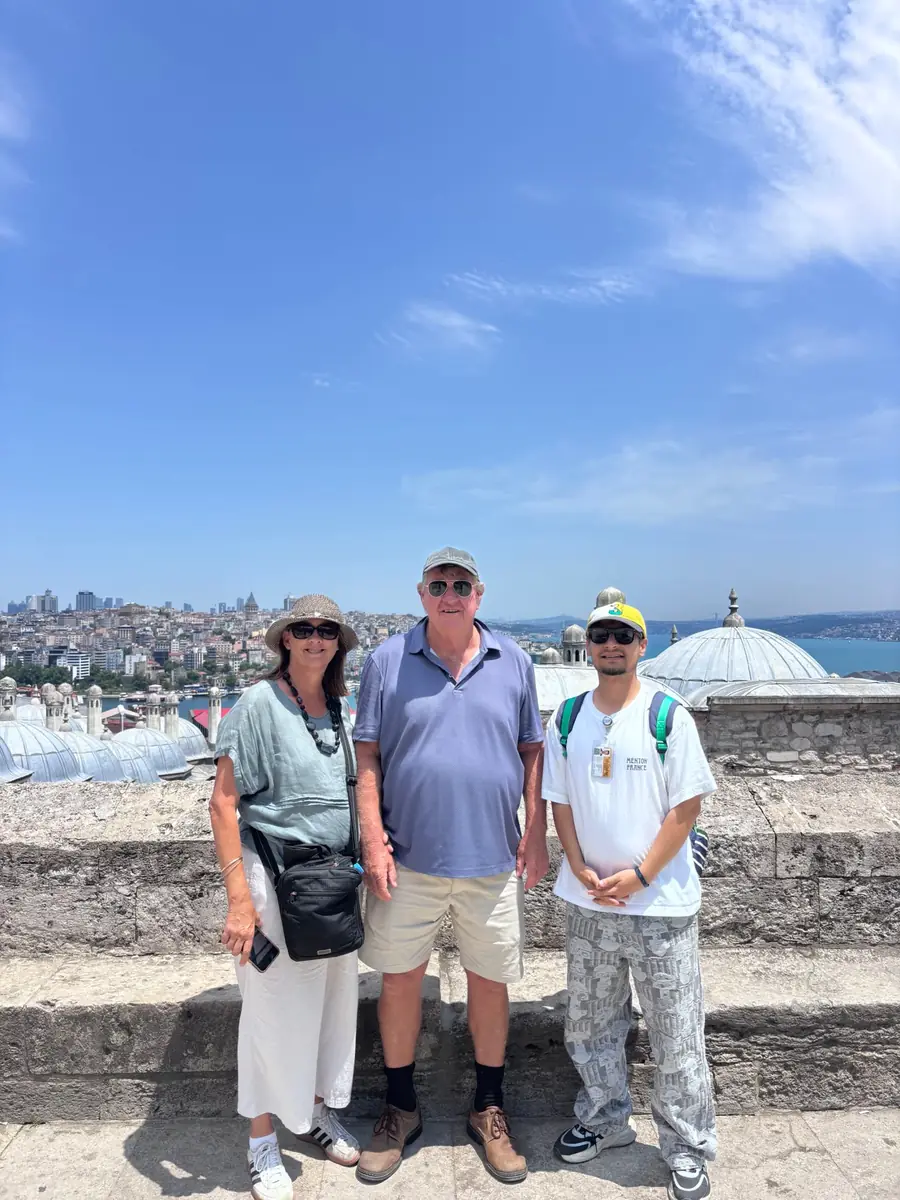
Read the city from Süleymaniye. The Golden Horn and the Bosphorus below, and how a hilltop capital distributed its water.
Walk sixteen centuries as one connected system. Roman, Eastern Roman and Ottoman layers, read together.
The route
Nine stops. One water system.
From Roman reservoirs to Ottoman hammams, the route traces Istanbul's water from Sultanahmet to Zeyrek. We meet at 10:00 in the courtyard of Caferağa Medresesi.
-
01
Eastern Roman · 6th century
Basilica Cistern — from the outside
Istanbul's most famous reservoir, read from the street beside the Milion, the stone from which the empire measured its roads.
-
02
Roman → Ottoman
Baths of Zeuxippos & Hürrem Sultan Hamamı
Where the city's great Roman public baths stood, Sinan later built a hammam for Hürrem Sultan: one bathing tradition laid over another.
-
03
Eastern Roman · underground
Nakilbent (Nakkaş) Cistern
A smaller vaulted reservoir beneath an old Sultanahmet building, where the engineering is easier to read without the crowds.
-
04
Ottoman · 1584 · Mimar Sinan
Çemberlitaş Hamamı
Built for Nurbanu Sultan and still in use. We step into the entrance and cooling hall to talk about how a hammam handled water, heat and social life.
-
05
Ottoman · living heritage
Grand Bazaar · Zincirli Han
How water shaped trade: through the bazaar to a courtyard han, where wells, fountains and nearby baths kept a city of merchants and workshops running.
-
06
Ottoman · 1550s · Mimar Sinan
Süleymaniye
Sinan's complex on the third hill, and the fountains and baths a mosque complex had to supply.
-
07
Ottoman · early 1500s · museum
Bayezid II Hamam Museum
One of the city's oldest surviving Ottoman hammams, now a free museum of bath culture. Closed at weekends, so on Saturdays the walk continues without it.
-
08
Roman · 4th century
Valens Aqueduct
The arches that carried water across the valley into the city, later repaired and reused by the Ottomans.
-
09
Ottoman · 16th century · Mimar Sinan · finish
Zeyrek Çinili Hamam
A restored hammam known for its tiles, where the walk ends.
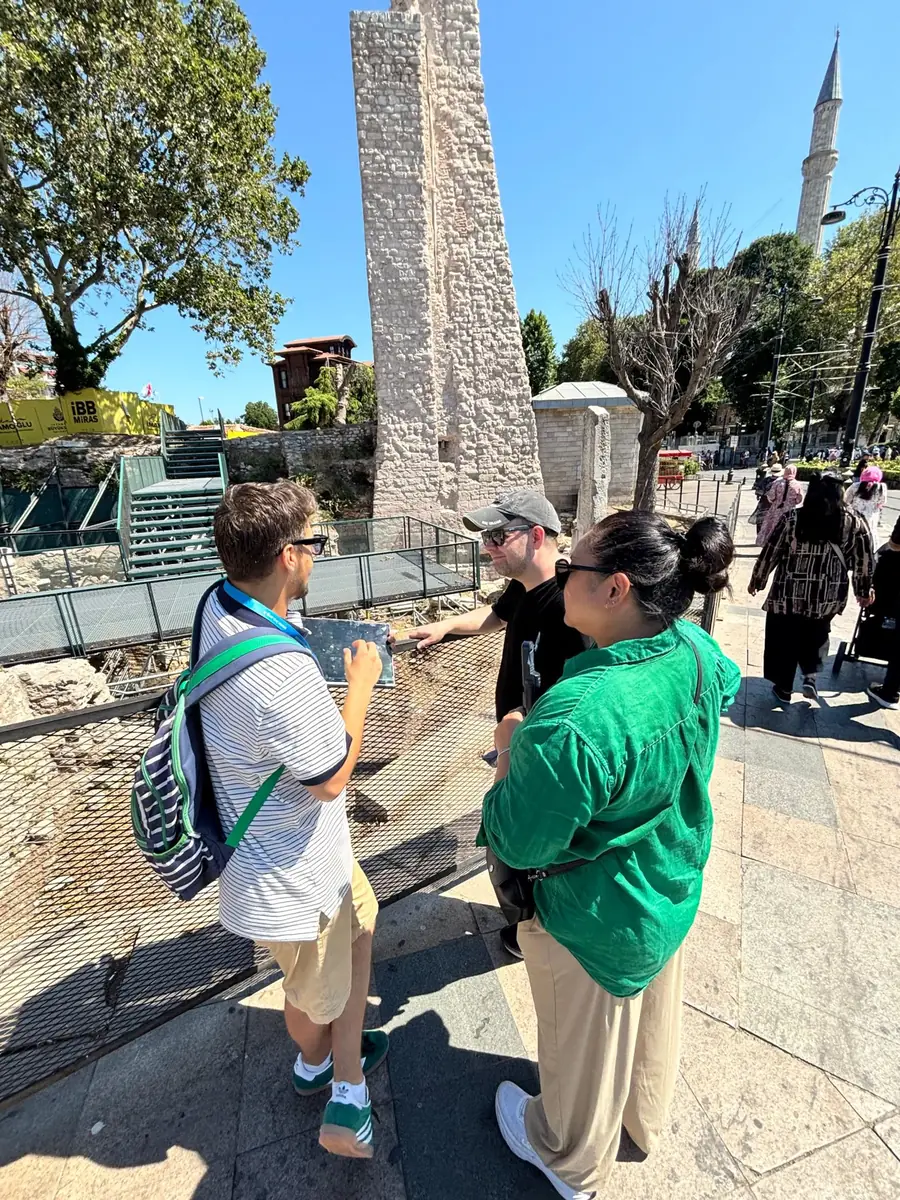
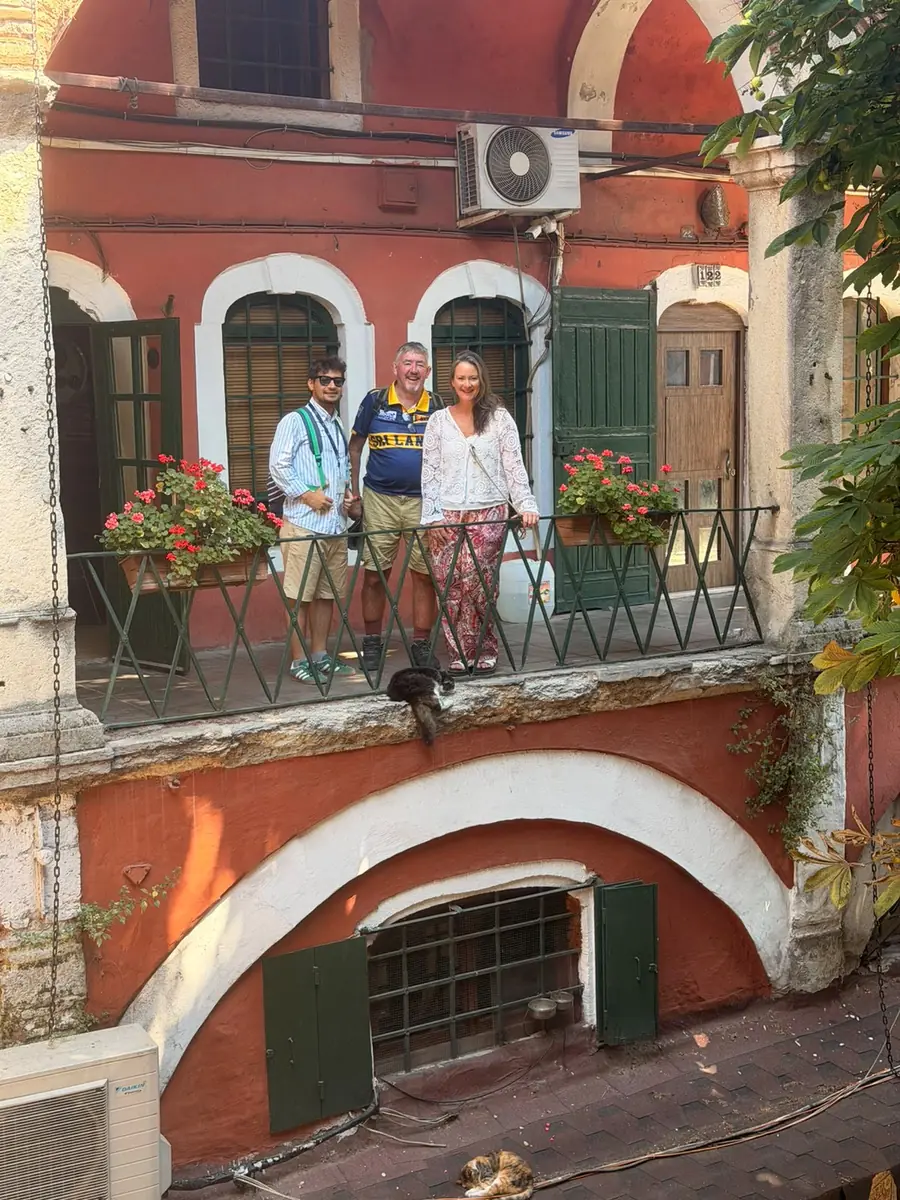
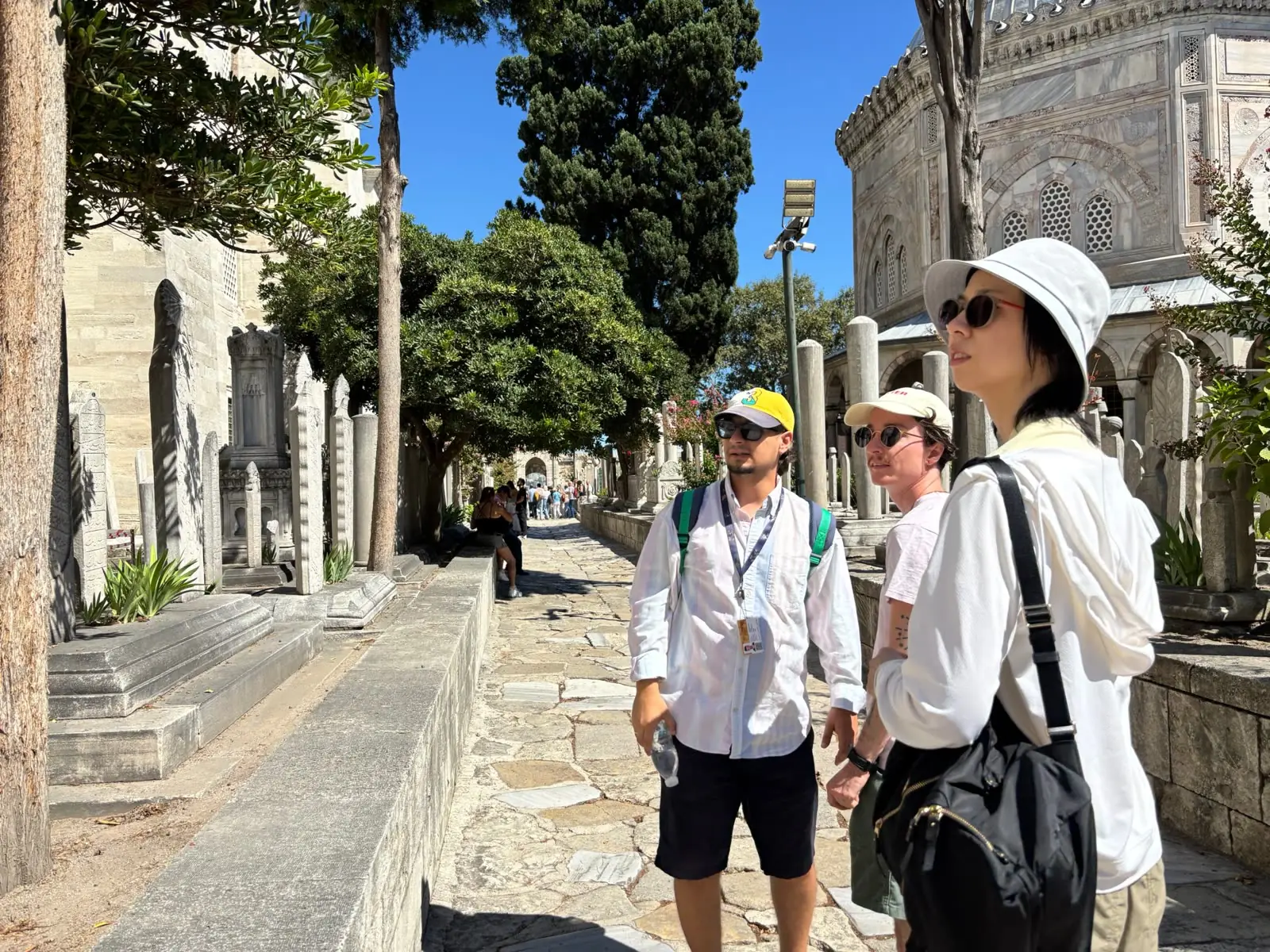
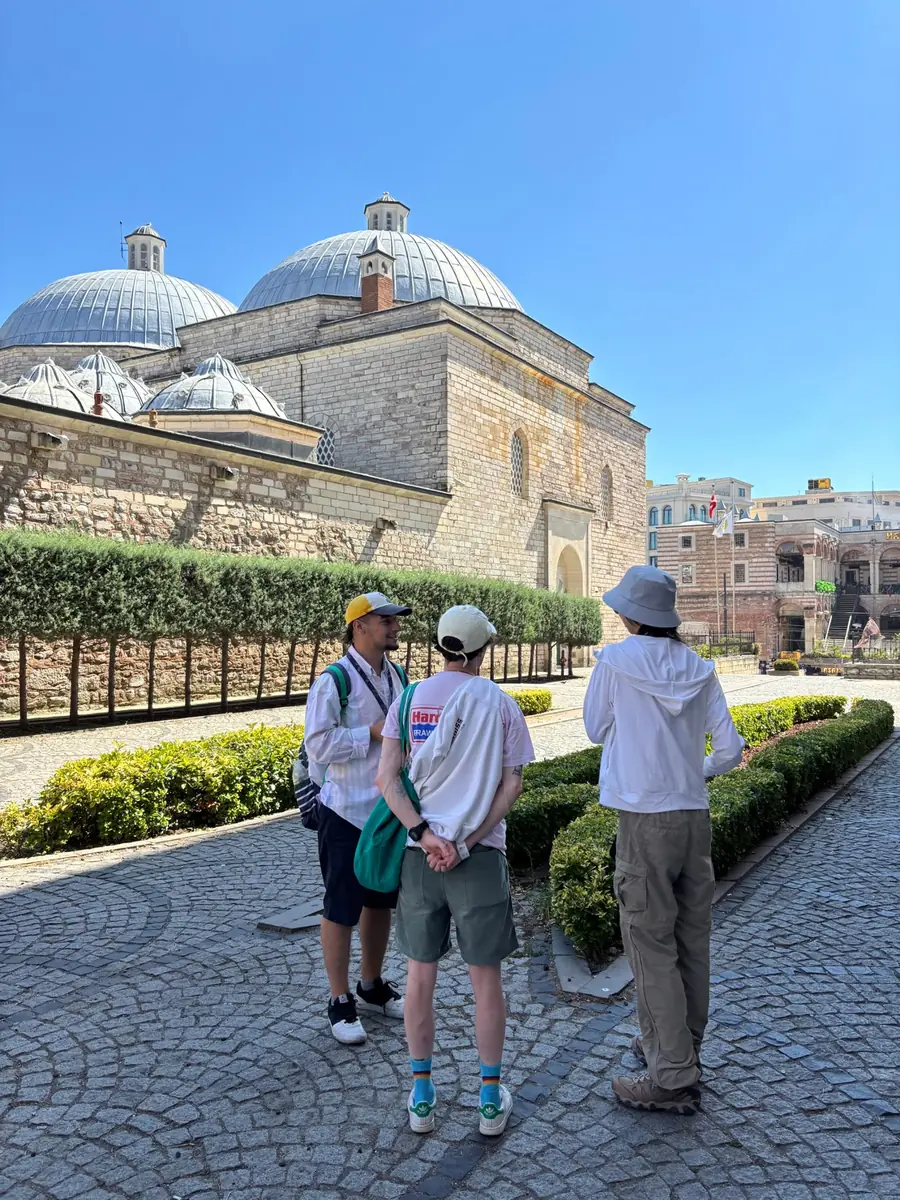
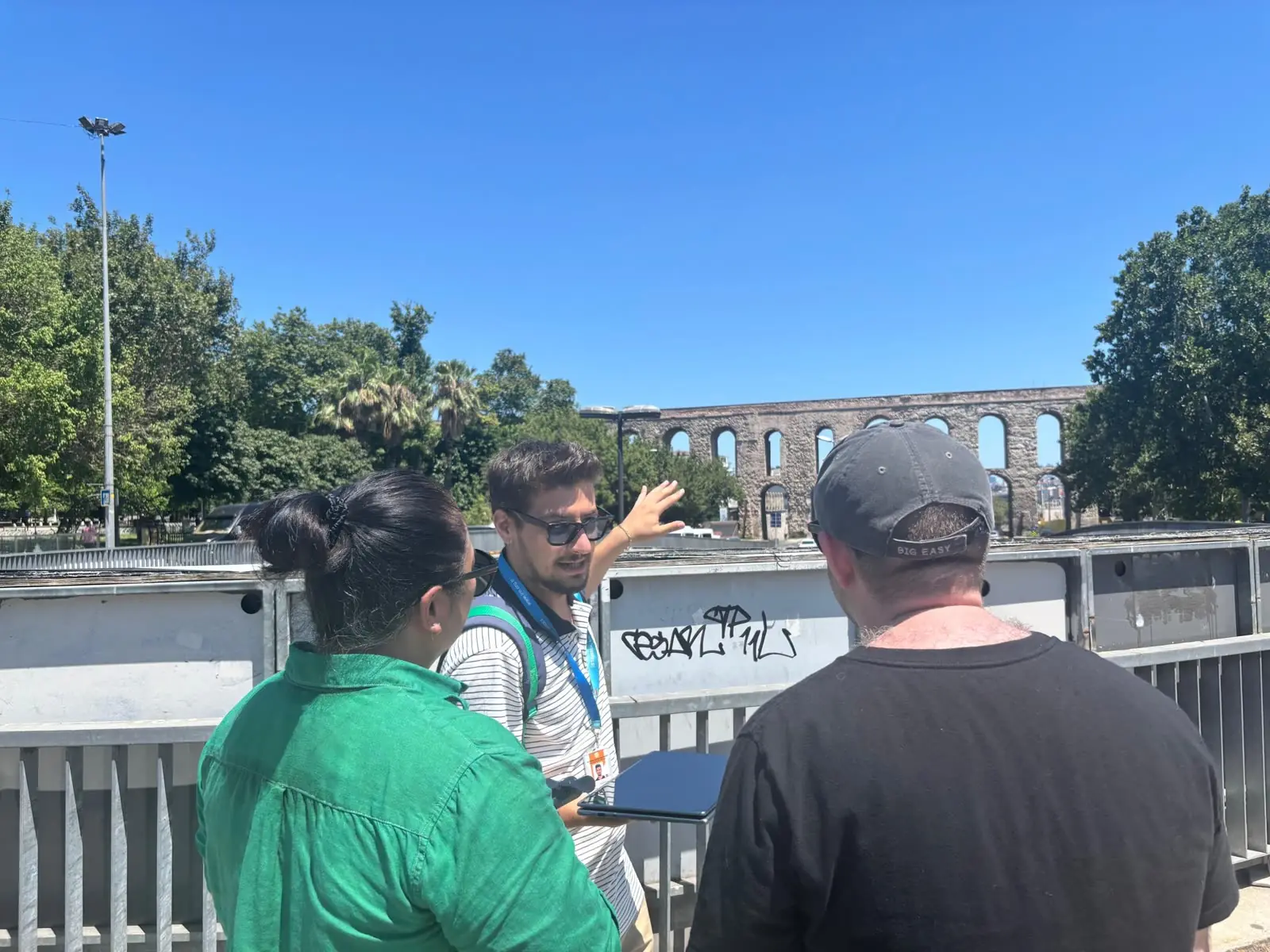
The sequence may shift when access changes, but the water story remains intact. If Nakkaş Cistern is closed, we visit another historic cistern nearby.
Context
Water, hospitality and everyday life
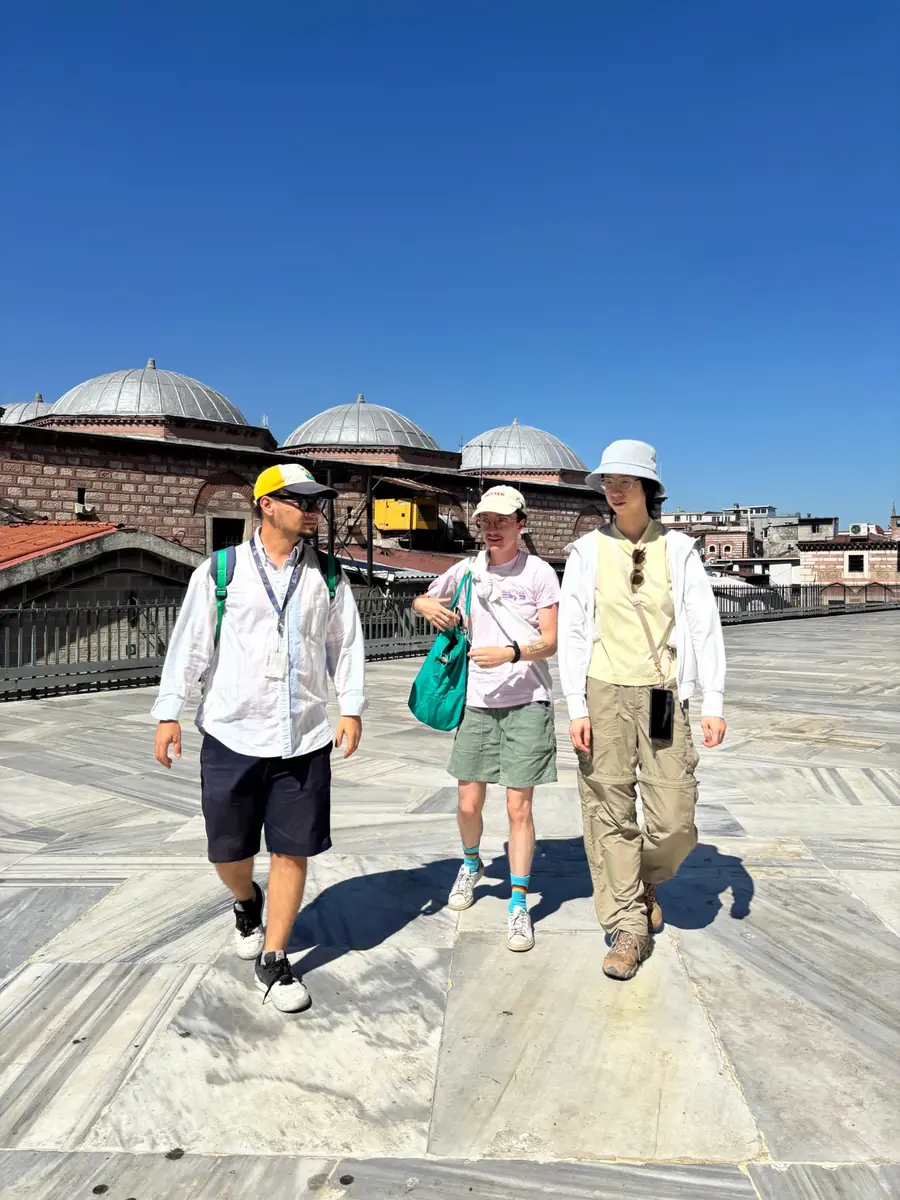
Water reached far beyond pipes and reservoirs. It shaped how the city welcomed, refreshed and gathered — and along the way we read these traces too.
- Fountains
- Public fountains made clean water an act of charity, built by sultans and neighbours alike.
- Coffee
- From the 16th century, coffeehouses changed how the city met, talked and traded.
- Şerbet
- Before soft drinks, Istanbul cooled itself with water sweetened by fruit, flowers and spices.
- Hammams
- The weekly bath turned infrastructure into ritual, and every neighbourhood needed one.
Practical details
Everything you need to know
- Duration
- Approximately 4–5 hours
- Walking
- About 6–7 km, with stairs, uneven historic streets and some slopes
- Group size & language
- Maximum 12 guests · English
- Meeting point
- Caferağa Medresesi courtyard
Caferiye Sokak, Soğukkuyu Çk. No:5, 34122 Fatih · Open in Google Maps - End point
- Zeyrek Çinili Hamam, Fatih
- Schedule
- Tuesday–Saturday, starting at 10:00
- Accessibility
- Not wheelchair accessible, because of stairs and historic surfaces
- What to wear
- Comfortable walking shoes; modest clothing around active religious sites
- What to bring & weather
- Water, weather protection and a small bag. The walk runs in ordinary rain or shine.
- Tickets & cancellation
- No entry tickets needed · free cancellation up to 24 hours before the start (local time)
Included
- Guiding by a professional licensed guide
- A research-led guided walk along the route above
- Visits to the route locations open on the day
- Time for questions and conversation
- Small group, maximum 12 guests
Not included
- Basilica Cistern interior admission
- Food and drinks
- Hammam bathing or treatments
- Transportation
- Personal expenses
- Optional gratuities
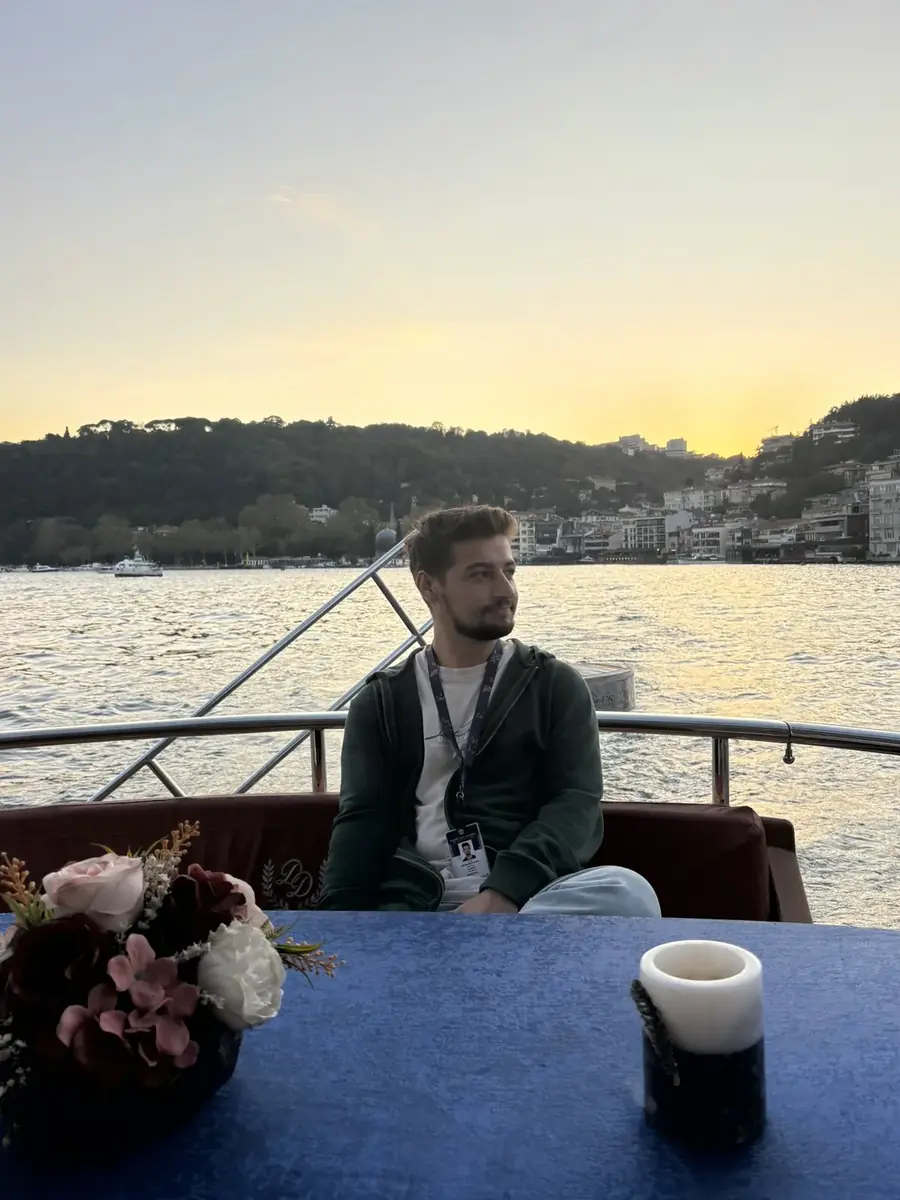
Founder & lead guide
Uğur M. Ulakci
Professional Tourist Guide
Uğur is a professional licensed guide and the founder of Via Vestigia. His work explores cities through the traces they leave behind — water, architecture, trade, faith, food and everyday life. He researches and writes for the Via Vestigia Journal and hosts the Via Vestigia podcast.
The Water City was built around one question: what if the story of Istanbul was written in water?
“…a unique and fascinating way of looking at a city with so many layers of history and culture. Uğur is a font of knowledge about all sorts of topics and was able to answer my questions off the cuff…”
“Ugur is very knowledgeable and his passion for the topic is infectious. … you come to appreciate the magnitude of these water systems and the meticulous planning it took to build and operate them.”
“Ugur is passionate and knowledgeable and we felt very well taken care of… We wouldn’t hesitate to book with Ugur again…”
“A wealth of knowledge delivered in a very personal manner.”
Which cisterns do we see?
We read the Basilica Cistern from the outside and go underground at Nakkaş (Nakilbent) Cistern, a smaller Eastern Roman reservoir in Sultanahmet — often called a Byzantine cistern. If it is closed on the day, we visit another historic cistern nearby.
Is Basilica Cistern admission included?
No. We stop outside it. If you want to go inside, go at opening time and buy entry online in advance; it is far quieter then.
How is this different from visiting the Basilica Cistern on my own?
The Basilica Cistern is one piece of a larger water system. This walk connects it to the aqueduct that supplied the city, the hammams water made possible and the neighbourhoods that grew around it — so later visits make more sense.
Do I have to bathe in a hammam?
No. We visit hammams for their history and architecture. Bathing or treatments are not part of the walk; if you want one, arrange it directly with a hammam.
How much walking is involved?
About 6–7 km over 4–5 hours, with stairs, uneven historic streets and some slopes. Comfortable shoes make the day much easier.
Where does the walk start and finish?
We meet at 10:00 in the courtyard of Caferağa Medresesi (Caferiye Sokak, Soğukkuyu Çk. No:5, Fatih) and finish at Zeyrek Çinili Hamam.
Is it suitable for children?
Children who are comfortable walking 6–7 km with stairs usually enjoy it. For younger children, message me on WhatsApp before booking.
Is it wheelchair accessible?
No. Several stops are reached by stairs, and many streets have historic, uneven surfaces.
What should I wear?
Comfortable walking shoes and modest clothing for active religious sites: shoulders and knees covered, and a scarf for women.
What happens if a site is closed?
Cisterns and hammams sometimes close for restoration or religious holidays. The sequence then shifts or a nearby water site takes its place, so the story stays whole.
Can I book a private walk?
Yes. A private walk is the same core story, shaped around your group's pace and interests: $149 for one guest or $298 for two. For larger groups, the price for your group size is shown when you book.
How do I book and pay?
Choose “Check dates & book” to see open dates and pay securely through Viator. Questions before booking are welcome on WhatsApp.
What is the cancellation policy?
You can cancel free of charge up to 24 hours before the start (local time) for a full refund. Bookings are made through Viator, which shows the full terms before you pay.
Is this a good first experience in Istanbul?
Yes. It gives you a way to read the old city that makes later visits — to the Basilica Cistern, Hagia Sophia or the Grand Bazaar — easier to understand.
Private walk
The Water City, shaped around you.
The same core Water City story, exclusively for your own group.
$298for two guests
A dedicated guide, more room for questions, and more flexibility in pace, focus and depth. $149 for one guest; for larger groups, the price for your group size is shown when you book.
Check private availabilityThe Water City
See Istanbul through the water that shaped it.
- Tuesday–Saturday · 10:00
- 4–5 hours
- Maximum 12 guests
From
$99per person
Check dates & bookNo date that works? Ask about a private walk on another day
Secure booking and payment via Viator · Free cancellation up to 24 hours before the start.
More ways to walk Istanbul
Read before you walk
Via Vestigia Journal
The Secret Life of Byzantine Cisterns →Via Vestigia Journal
What to Do in Istanbul Besides Hagia Sophia — Part I: The Submerged City →- All Via Vestigia Journal essays →