At a glance
- Standard fare
- 46.20 TL with an Istanbulkart on most buses, trams and metro lines (from 20 July 2026). Marmaray, the Metrobüs and some ferries have their own fares
- The card
- 165 TL for the card, from machines at stations, piers and the airports. One card can pay for several people
- Bank cards
- Contactless Visa and Mastercard work on many lines, but not on Marmaray, and fares can differ
- Lines you'll use most
- T1 tram, M2 metro, Marmaray and the city ferries
- Taxis
- A reputable app (BiTaksi or Uber) or a private transfer booked in advance
- Our tip
- Sunday mornings are usually the quietest time to travel
Fares change. Check official fares before you travel.
Paying: Istanbulkart or contactless card?
Machines at metro stations, ferry piers and the airports sell the Istanbulkart and top it up. Tap once for each ride. Transfer discounts are generally available only with an eligible personalised Istanbulkart; visitors using a standard, non-personalised card should not expect discounted transfers.
One card can pay for a small group: tap once per person.
Contactless Visa and Mastercard cards work at the gates of many lines, but not on Marmaray. Bank-card fares can differ from Istanbulkart fares, so don't count on the same price everywhere.
The lines you'll actually use
| Line | Useful stops | Good to know |
|---|---|---|
| T1 tram | Sultanahmet, Grand Bazaar, Eminönü, Karaköy, Tophane | Slow by nature, with many stops close together. Allow extra time. |
| M2 metro | Şişhane (for Galata), Taksim | Crosses the Golden Horn on a bridge. |
| Marmaray | Sirkeci, Üsküdar, Yenikapı | Under the Bosphorus in minutes. Istanbulkart only; priced by distance. |
| M4 metro | Kadıköy, Sabiha Gökçen Airport | The Asian side, straight to the airport. |
| Funiculars | Tünel: Karaköy–Beyoğlu (opened in 1875). Kabataş–Taksim | Short rides up the hill. |
| Metrobüs | Across both continents, all night | Very crowded at rush hour; priced by distance. |
See the official rail network map (Metro İstanbul)
On the water
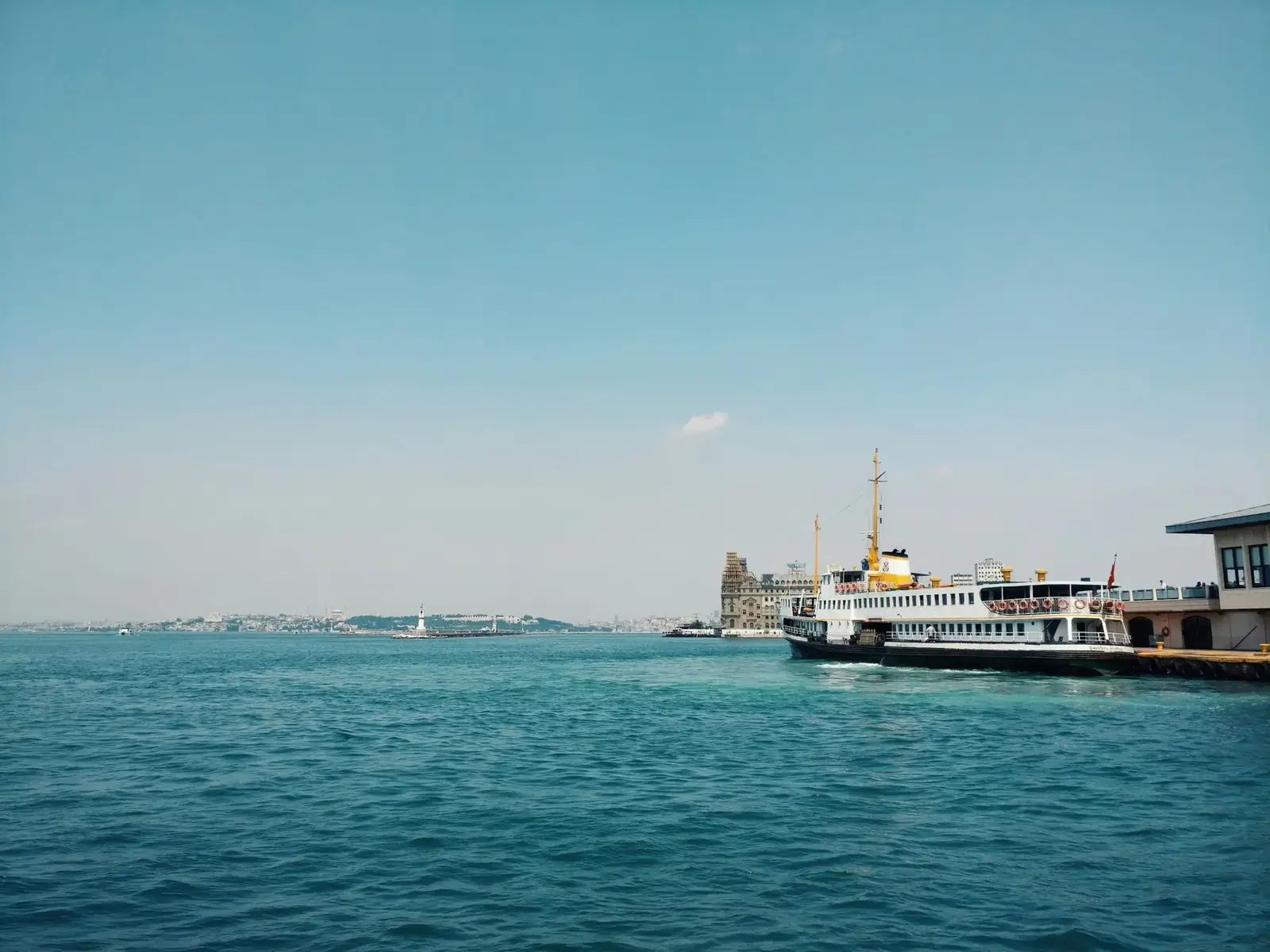
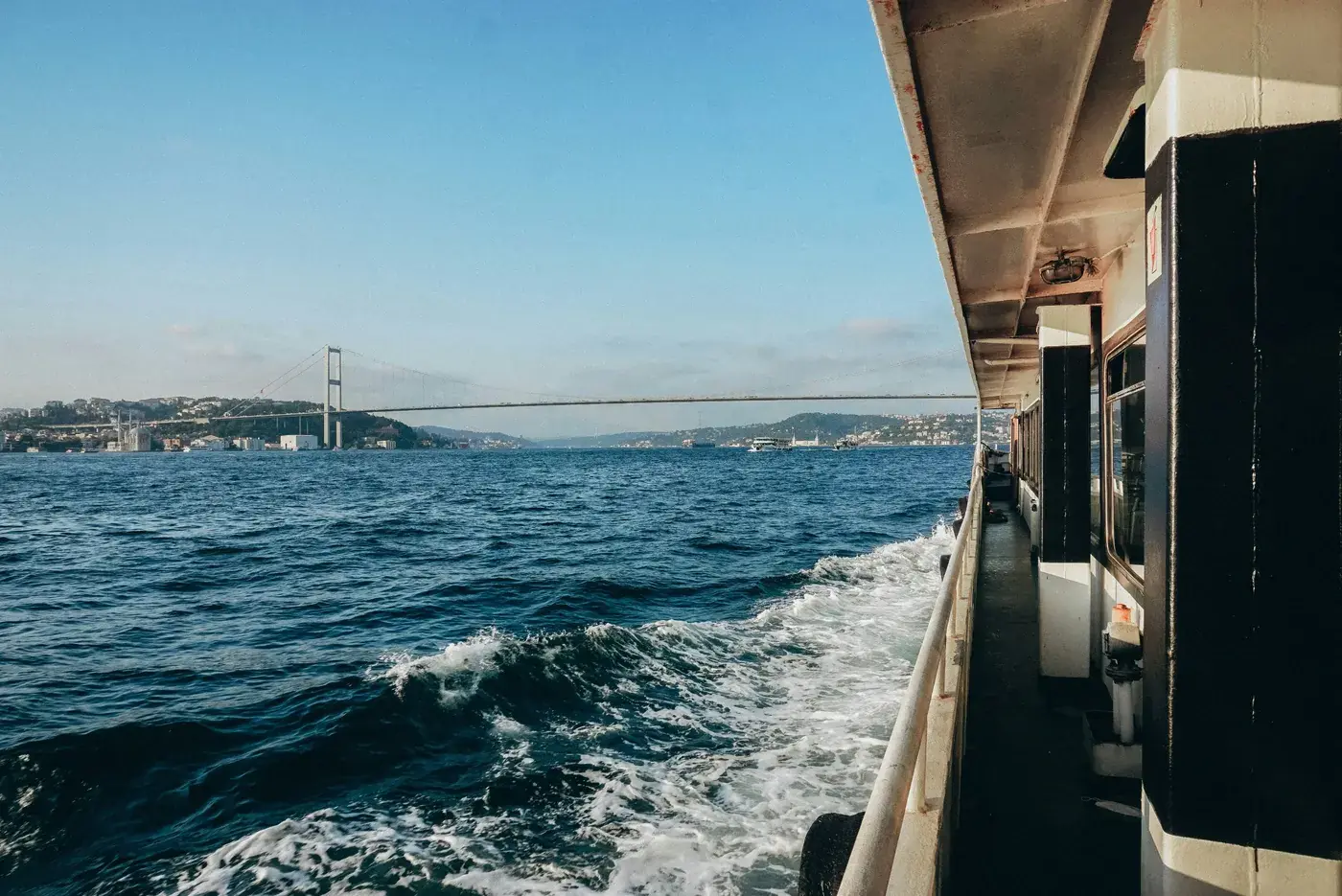
The ferries are the best way to cross the city, and the best view of it.
City ferries between Eminönü or Karaköy and Kadıköy or Üsküdar: a short glimpse of the Bosphorus for the price of a single fare.
Bosphorus line ferries run further up the strait: a longer trip on a smaller budget.
A private boat: trips can be arranged for different durations, a more flexible way to see both shores.
Sea taxis: called through the city's sea taxi app and charged by distance. Useful for a direct trip between two piers, but pricier.
Taxis: how not to be overcharged
Use a reputable taxi app such as BiTaksi or Uber. Check the fare information before confirming your ride, and make sure the meter is used whenever the journey is charged by the meter. From the airports, a private transfer booked in advance is another good option.
If you stop a taxi in the street and the driver names a price instead of starting the meter, don't accept it, and don't bargain.
At taxi ranks, the first offer is often far above the meter, sometimes blamed on traffic even when the roads are clear. A second driver's "discount" may still be well above the meter.
If a driver insists on not using the meter, don't get in. Take another taxi or use an app.
When to travel
The metro and tram run until around midnight; on Friday and Saturday nights, several metro lines run through the night. The Metrobüs runs all night, and ferries thin out after 22:00. Marmaray runs late, with extra night trains, but the last train depends on the station and the direction, so check before you rely on it.
Staying on the Asian side? Plan your last crossing. Once the last train and ferry have gone, the options are the Metrobüs or a taxi. By day, avoid weekday rush hours on the Metrobüs and on the roads across the Bosphorus if you can.
From the airports
From Istanbul Airport, take the M11 metro or a Havaist bus. From Sabiha Gökçen, the M4 metro runs from the airport directly to Kadıköy on the Asian side, and Havabus coaches go to the European side. Arriving late, or with heavy bags? Call a taxi through an app or book a private transfer.
Getting to our meeting points
The Water City: Caferağa Medresesi, Sultanahmet · T1 to Sultanahmet
The Cosmopolitan City: Tophane Clock Tower, Galataport · T1 to Tophane
The Trace City: Sirkeci Marmaray exit · Marmaray or T1 to Sirkeci
The Tasting City: Fountain of Ahmed III, Üsküdar · Marmaray, M5 or a ferry to Üsküdar
Questions about getting around
Does a contactless bank card work everywhere?
No. It works on many lines, but not on Marmaray, and bank-card fares can differ from Istanbulkart fares.
Can several people use one Istanbulkart?
Yes. Tap once per person.
Is Marmaray priced differently from the metro?
Yes. It charges by distance, and the maximum applicable fare is deducted when you enter. Refunds at the exit machines are only for eligible personalised cards, so most visitors pay the full deducted fare.
Do the ferries take the Istanbulkart?
Yes, the city ferries do.
Can I use Uber in Istanbul?
Yes. Uber sends licensed taxis, and the meter sets the final fare.
Should I agree a price with a taxi driver?
No. Ask for the meter, or book through an app. If the driver refuses the meter, take another taxi.
Prices and opening hours may change. We verify practical details against official sources and show the date of our latest review at the top of each guide.